
ispace-Europe wins €65M lunar-rover contract
ESA has awarded ispace-Europe a €65 million contract to build and operate Europe’s first rover focused on exploring lunar polar ice.
Europe’s lunar ambitions are moving beyond research grants and into full commercial mission contracts.
What happened
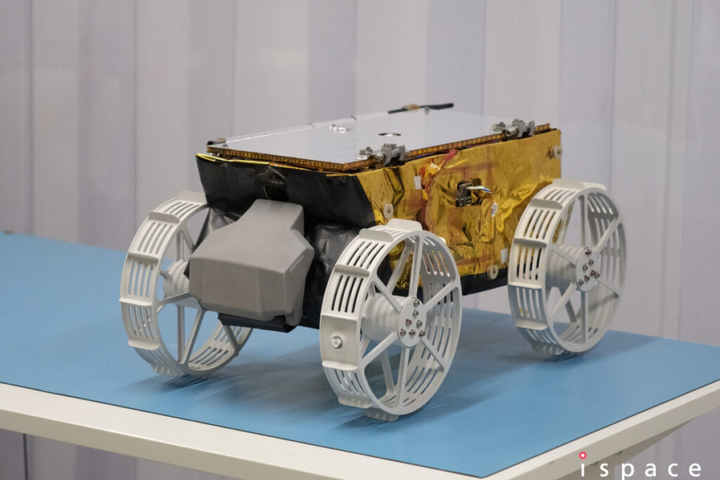
The European Space Agency awarded ispace-Europe a €65 million Phase 2 contract to complete, deliver and operate MAGPIE, a rover designed to explore ice deposits near the Moon’s poles.
The agreement covers the rover’s development, manufacturing, testing, delivery to the lunar surface, surface operations and the return of scientific data. ispace-Europe will act as the mission prime, coordinating the programme rather than supplying only one component.
MAGPIE is intended to investigate the presence and characteristics of lunar water ice, a resource that could eventually support life-support systems, fuel production and longer-duration operations on the Moon.
Why it matters
This is a more meaningful commercial signal than a small technology-development award. Responsibility for an end-to-end mission gives ispace-Europe the opportunity to build capabilities across robotics, navigation, communications, mission control and lunar operations.
It also gives Europe a more independent route into lunar exploration. Much of the current commercial lunar market is concentrated in US companies linked to NASA programmes, while Europe has often participated through instruments or individual subsystems.
The bigger picture
The emerging lunar economy will require more than launch vehicles. It will need rovers, landing systems, communications infrastructure, power, mapping, resource detection and software capable of operating far from Earth.
MAGPIE places ispace-Europe inside that wider supply chain and could become an important reference mission if it succeeds. The execution risk remains substantial: lunar missions face difficult landing conditions, limited opportunities for repair and long development timelines. But a successful mission would give the company operational credibility that is difficult to obtain through laboratory testing alone.