
iOS 27 shows Apple’s AI strategy is moving into everyday apps
Apple’s latest iOS updates show a quieter AI strategy: embedding intelligence into default consumer apps rather than making every feature feel like a standalone chatbot.
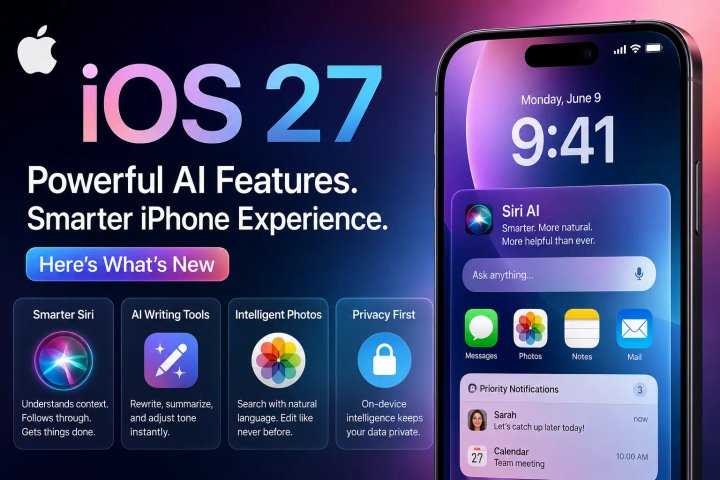
Apple’s AI strategy is starting to look less like one big chatbot moment and more like a slow spread into the apps people already use every day.
What happened
Apple’s latest iOS updates point to more intelligence being built into default consumer apps, including Wallet, Maps, Find My, Apple Pay, Music, Podcasts, and iCloud Shared Albums.
One notable example is Apple Wallet using Apple Intelligence to scan receipts, help split bills, calculate tax and tip shares, and support repayment through Messages or Wallet. Instead of asking users to open a separate AI app, Apple is making small daily workflows feel more automated inside the existing iPhone experience.
Why it matters
This is a consumer-tech platform signal. Apple does not need to launch the flashiest AI product to reshape consumer behaviour. It can quietly place AI into payments, location, travel, media, personal organisation, and communication.
That matters for startups because once a feature becomes native to iOS, smaller apps built around the same narrow workflow may become harder to defend. The platform does not need to copy the whole product; sometimes it only needs to absorb the most useful action.
The bigger picture
The next phase of consumer AI may not feel like “using AI” at all. It may feel like your phone automatically doing more of the annoying admin around money, plans, media, and personal coordination.
For startups, the strategic question is sharper now: are they building a full product people will seek out, or just a feature Apple, Google, or another platform can quietly fold into the operating system?