
Intero Builds Mini Human Intestines for Drug Testing
Intero Biosystems is commercialising lab-grown human intestinal organoids designed to give drug developers a more realistic testing model than simple cell cultures or some animal studies.
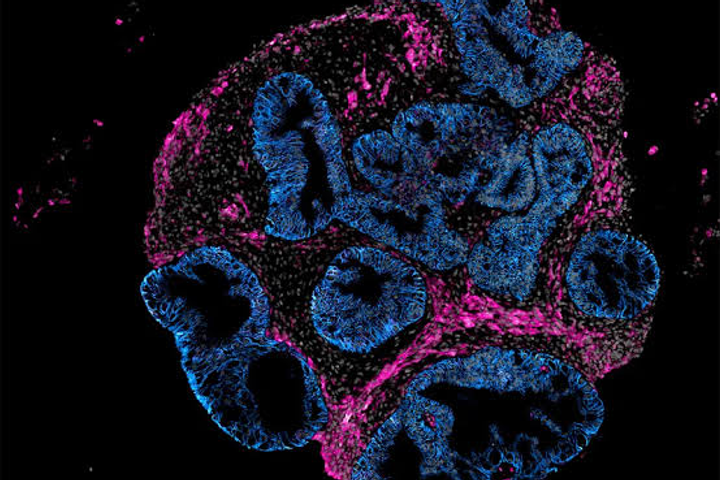
Intero Biosystems is commercialising lab-grown human intestinal organoids designed to give drug developers a more realistic testing model than simple cell cultures or some animal studies.
What happened
The University of Michigan spinout has developed GastroScreen, a platform based on miniature intestinal tissue structures containing multiple cell types intended to reproduce important features of the human gut. Intero sells organoids, laboratory reagents and testing services to pharmaceutical, biotechnology, food and chemical companies. The company reports just under 10 customers and more than $400,000 of revenue over the last four reported quarters. It previously raised a $2.3 million pre-seed round. Intero is still validating how well GastroScreen predicts human responses compared with animal and clinical datasets.
Why it matters
Animal models frequently fail to predict how humans will respond to a drug, contributing to expensive failures later in development. More realistic human tissue models could help researchers identify toxicity or ineffective candidates earlier while reducing animal use.
The bigger picture
Organoids are becoming an important bridge between basic cell culture and human trials. Intero's value will depend on reproducibility, throughput and evidence that its tests improve real development decisions rather than simply add another experimental layer.