
Insera Raises ₩13.5B for Space Laser Links
Insera Solution raised ₩13.5B to scale precision optomechanics for satellite laser communications.
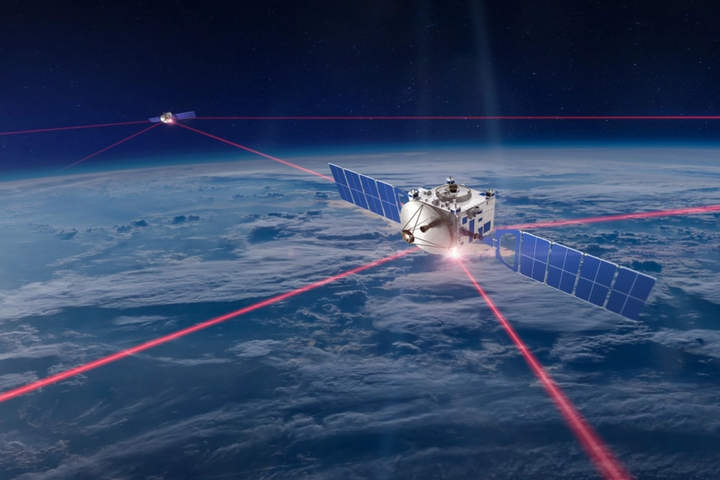
Insera Solution is working on one of the less visible parts of the space infrastructure stack: how satellites communicate faster and more precisely.
What happened
South Korean precision optomechanics startup Insera Solution raised ₩13.5B Series A to scale components for space laser communication.
The company is developing fast steering mirror technology and precision pointing, acquisition and tracking systems for satellite laser links.
Laser communications can move more data than many traditional radio-frequency links, but they require extremely accurate alignment between moving objects. That makes precision optomechanics a critical enabling layer rather than a simple component sale.
The funding supports a company working in a space segment where demand is growing from satellite constellations, Earth observation, defence communications and high-bandwidth orbital networks.
Why it matters
This is a good SpaceTech infrastructure item.
As more satellites go into orbit, the bottleneck is not only launch cost. It is also how quickly and securely data can move between satellites, ground stations and users.
Optical communications can help with high-throughput links, but the technology requires reliability under harsh operating conditions. Insera’s role sits in that practical engineering layer, where space systems move from concept to deployable hardware.
The bigger picture
SpaceTech is increasingly about infrastructure density.
Launch companies get the loudest attention, but satellite networks also need better communications, data processing, sensing, propulsion and ground systems. Insera’s round fits that quieter trend: the rise of specialised component and subsystem startups that make larger orbital networks actually usable.