
Inertia Speeds Up Fusion Fuel Production
Inertia’s pellet-production milestone points to a less flashy but crucial bottleneck for commercial fusion.
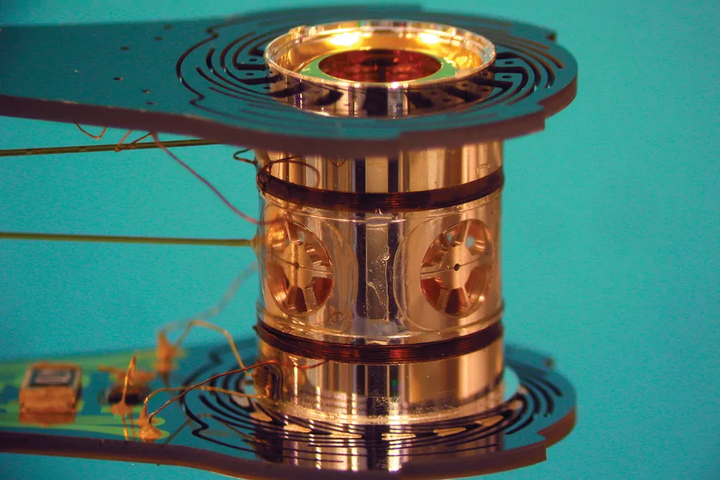
Fusion headlines usually focus on plasma, ignition and reactor design. Inertia’s update points to a quieter but essential question: can the supporting supply chain be industrialised too?
What happened
Inertia Enterprises said it has sharply reduced the time needed to make fusion fuel pellets, cutting part of the process from days to minutes and bringing the full pellet process to roughly two to three hours.
The company is commercialising technology linked to the National Ignition Facility and previously raised substantial capital to pursue inertial fusion. The new update is not a fresh funding round, but it is a technical milestone around one of the inputs needed for a future fusion system.
Why it matters
Fusion will not become commercial just because the core physics improves. Every supporting process has to become reliable, repeatable and affordable. Fuel-pellet production is one of those unglamorous bottlenecks: if a system needs many precise pellets over time, manufacturing speed and quality control become central to the business model.
That makes this a meaningful climate-hardtech signal. It shows fusion startups moving from scientific demonstration toward the operational details that would matter in a real plant.
The bigger picture
The fusion market is entering a more execution-heavy phase. Investors and customers will increasingly ask whether companies can build full systems, manage supply chains and operate repeatedly, not just show physics progress. Inertia’s update fits that transition from lab milestone to industrial process.