
India Gives UPI a Revenue Model
India moved toward allowing merchant charges on some UPI payments, raising a major monetisation question for one of the world’s largest payment networks.
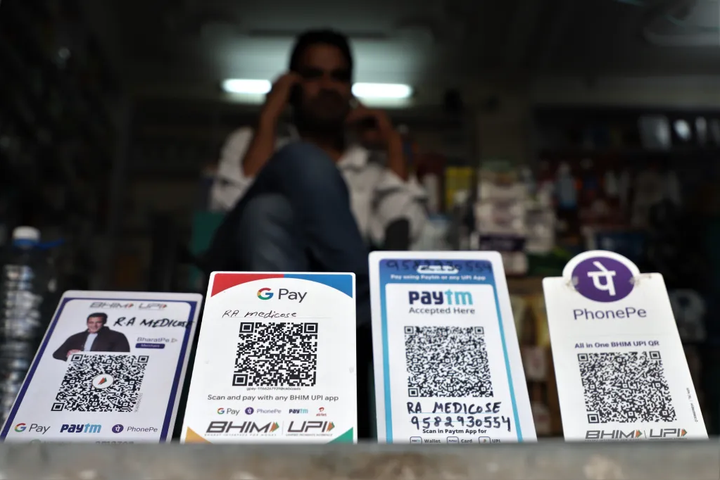
India’s instant-payments network may finally be getting a business model.
What happened
India introduced legislation that could allow merchant charges on some UPI payments. UPI has grown into one of the world’s most widely used real-time payment systems, processing tens of billions of transactions a month.
For years, the zero-fee model helped drive adoption across consumers, merchants, banks and payment apps. But massive scale also creates costs for the financial institutions and infrastructure providers that keep the system running.
The proposed change does not necessarily mean all UPI payments become expensive. It points to a more nuanced model where some merchant transactions may carry charges while basic access remains protected.
Why it matters
This is a major fintech infrastructure signal. Payments networks need incentives to keep improving reliability, fraud prevention, merchant tools and bank participation.
UPI’s success has made it a global example for instant payments, but it also raises a question many countries will face: how do public or quasi-public payment rails stay low-cost while still funding the infrastructure underneath?
The bigger picture
Real-time payments are becoming critical financial infrastructure. Once they reach national scale, the debate shifts from adoption to sustainability.
India’s move could influence how other markets design payment systems, especially as fintech apps, banks and merchants all depend on rails that need long-term investment.