
Honda redirects battery capacity to data centres
Honda is shifting battery production tied to EV plans toward energy storage for data centres and the grid.
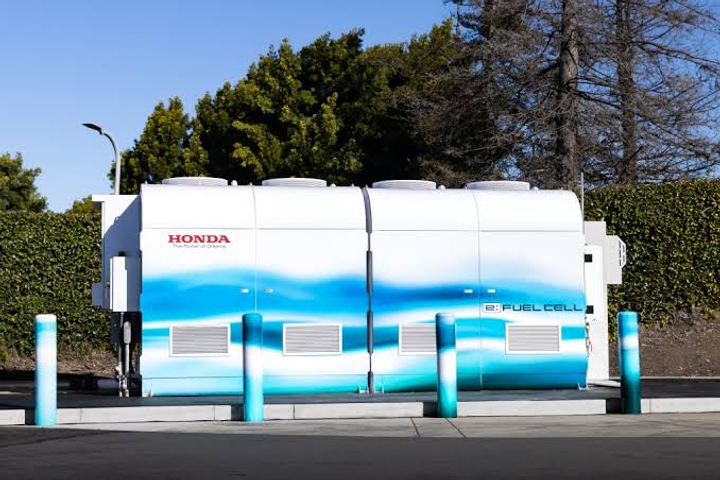
The AI power crunch is starting to pull industrial capacity away from other markets.
What happened
Honda has started producing batteries for energy storage systems, with cells originally tied to EV production now headed toward data centres and grid storage.
The shift follows Honda cancelling US EV programmes and restructuring its electric-vehicle strategy.
Why it matters
Batteries are no longer just an EV story. As AI data centres increase power demand, stationary storage becomes more valuable for grid stability, backup power and energy management.
Honda’s shift shows how data-centre demand can reshape supply chains originally built for electric vehicles. It also highlights how companies may redeploy manufacturing capacity when one clean-tech market slows and another accelerates.
The bigger picture
AI infrastructure is becoming an energy infrastructure story. Compute demand is pulling in power, batteries, cooling, grid upgrades and land.
Honda’s move points to a broader industrial reallocation: the battery economy may increasingly serve not only cars, but the data-centre and grid systems needed to keep AI running.