
Helsing Unveils AI-Powered Air Defence System
European defence AI company Helsing introduced Contra and two interceptor systems for aerial defence.
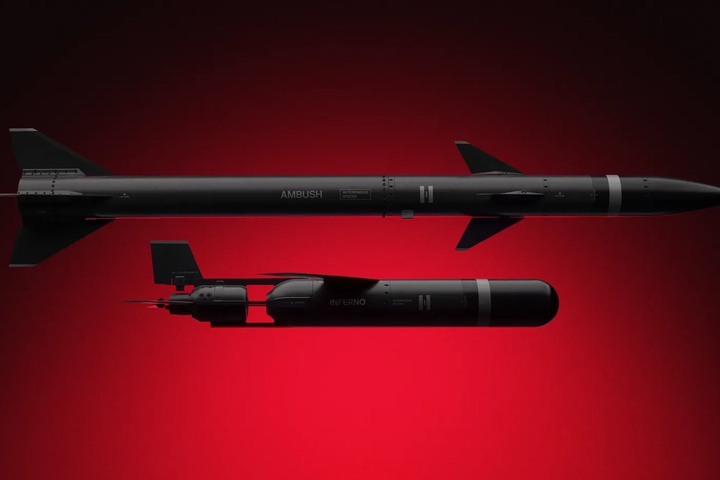
Europe's defence technology sector is moving beyond software demonstrations toward integrated hardware, sensing and manufacturing systems.
What happened
German defence technology company Helsing unveiled Contra, an autonomous air-defence platform designed to combine sensor information and defensive capabilities in response to large-scale aerial threats. It also introduced AD-1 Inferno and AD-2 Ambush, two interceptor systems intended to form part of its European production strategy.
The announcement positions Helsing as a developer of integrated defence systems rather than solely a supplier of AI software. The company is attempting to connect decision-support and autonomy with purpose-built hardware and a manufacturing network.
The products' operational capabilities and cost advantages remain company claims until independently validated. An unveiling is not evidence of widespread deployment.
Why it matters
European defence procurement is increasingly focused on systems that can be manufactured and deployed at scale. That changes the opportunity for venture-backed defence companies: software intelligence still matters, but production capacity, component availability and integration with existing systems become equally important.
The economics of protecting infrastructure against large numbers of aerial threats have also sharpened attention on affordable interception and coordinated sensing. Whether new entrants can satisfy procurement requirements while scaling production is a central commercial question.
The bigger picture
Defence startups are becoming industrial businesses. Investors are evaluating not just algorithms and prototypes, but factories, supply chains, customer qualification and the ability to deliver reliable equipment. Helsing's latest launch illustrates that shift, while leaving considerable execution and validation work ahead.