
Hassabis proposes an independent gatekeeper for frontier AI
DeepMind CEO Demis Hassabis has proposed an independent organisation to test frontier AI systems before release, beginning voluntarily and potentially becoming mandatory later.
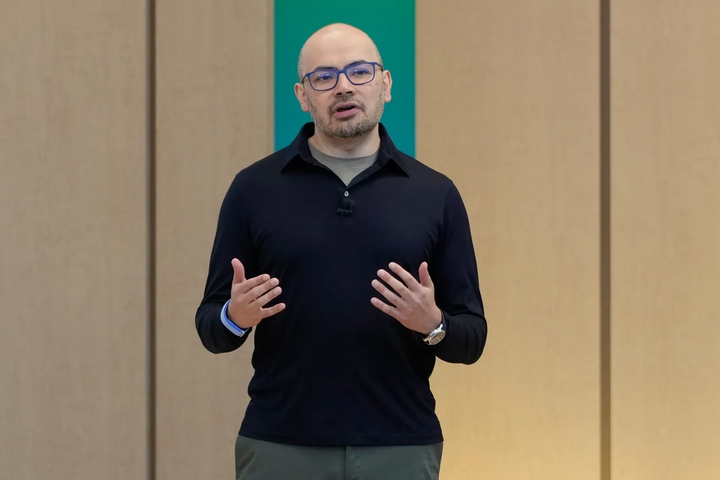
Demis Hassabis is proposing a new layer between AI laboratories and government: an independent body that would evaluate frontier models before they are widely released.
What happened
The Google DeepMind CEO suggested that leading laboratories initially submit advanced systems voluntarily for external testing. Once the evaluation process and technical standards were established, approval could eventually become mandatory for models above a defined capability or risk threshold.
The proposed organisation would need to operate independently even if industry helped finance it. Its work could include testing dangerous capabilities, examining security controls and assessing whether a laboratory’s safeguards match the risks of the system being released.
The proposal does not yet establish who would govern the body, which models would fall within its scope or how confidential model access would be protected.
Why it matters
Governments face a technical capacity problem. Frontier models change quickly, require specialised evaluation and are often accessible only inside the companies building them. A dedicated external institution could develop deeper expertise than a general regulator and create more consistent testing across laboratories.
However, an industry-funded body could also suffer from conflicts of interest or become a barrier that favours the largest companies. Smaller labs may struggle with compliance costs, while incumbent firms could influence the standards used to judge competitors.
The bigger picture
AI governance is moving from broad principles toward institutional design. The key question is no longer simply whether models should be tested, but who performs the tests, who can see the results and what happens when a system fails.
An independent review body could resemble safety institutions used in aviation, medicine or financial auditing, but AI does not yet have stable technical standards or clear legal thresholds. Hassabis’s proposal is significant because it acknowledges that voluntary company commitments alone may not be enough—while also suggesting governments may need specialised organisations to regulate effectively.