
Greenjets raises €35M as defence funding moves into aerospace supply chains
Greenjets has raised a €35 million Series A backed by defence-focused investors to move aerospace propulsion technology into trials and production.
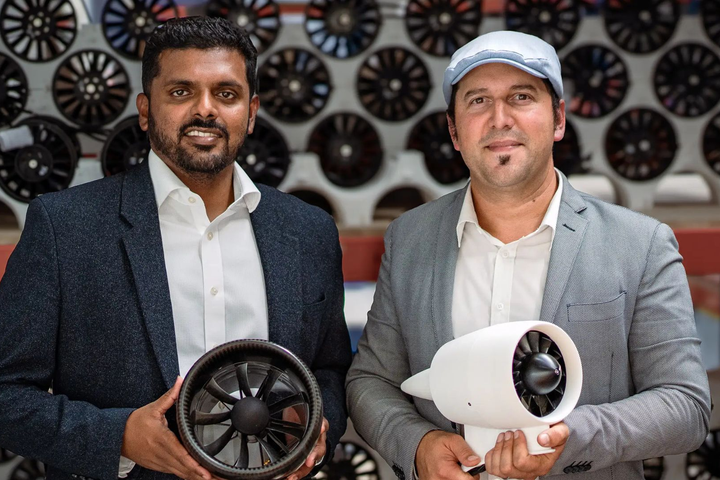
London-based Greenjets has raised a €35 million Series A to develop aerospace propulsion systems and expand manufacturing. The round shows defence investment moving deeper into the industrial supply chain, beyond complete drones, aircraft and software platforms.
What happened
Blossom Capital led the financing. The NATO Innovation Fund, the UK’s National Security Strategic Investment Fund and existing investors including Tanglin Ventures also participated.
Greenjets develops propulsion technology, aircraft platforms and manufacturing systems for aerospace and defence applications. It says it is working under several UK and international programmes and will use the funding to move technologies into demonstration trials, add engineering capacity and prepare for larger-scale production.
The company has not publicly provided detailed commercial terms for its programmes or a complete schedule for production, so the investment should be viewed as funding an industrial development phase rather than proven volume manufacturing.
Why it matters
Aerospace companies depend on specialised suppliers for propulsion, power systems, materials and manufacturing. These businesses receive less attention than the aircraft or defence platforms they support, but they can become critical bottlenecks when governments try to expand production quickly.
Backing from NATO-linked and UK strategic investors may also give Greenjets access to testing environments, procurement networks and customers that ordinary venture capital cannot provide alone.
The bigger picture
Europe’s defence-tech boom is broadening from software and autonomous systems into physical manufacturing capacity. That is strategically important because sovereignty depends on the ability to produce critical components—not only design them.
Greenjets still faces the difficult transition from prototypes and trials to reliable, certifiable production. The round gives it capital, but execution will depend on engineering performance, procurement timelines and repeatable manufacturing economics.