
Google SynthID proves AI provenance can work in the wild
A high-profile hoax image was identified through an embedded SynthID watermark, offering a rare real-world validation of AI provenance technology.
AI provenance systems are often discussed in theory. This time, one appears to have worked in a real public misinformation case.
What happened
A widely circulated AI-generated hoax image was identified as synthetic after detection of a SynthID watermark embedded in the image.
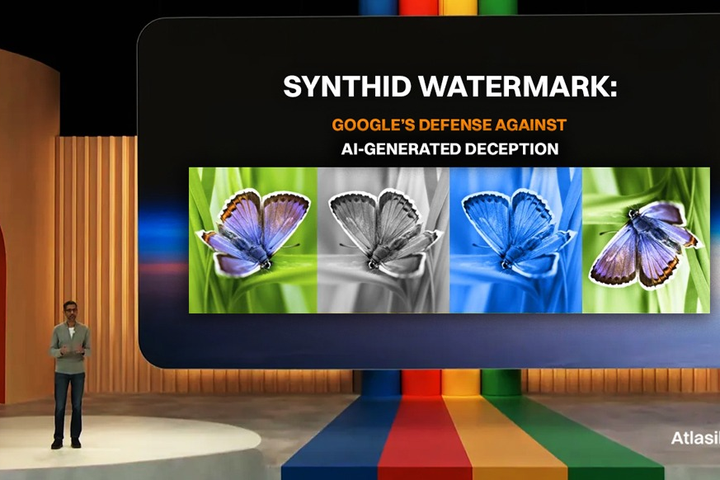
SynthID is designed to place an invisible signature into AI-generated media so participating systems can later detect its origin even after common transformations such as screenshots.
The incident provided a high-profile real-world example of that mechanism functioning as intended.
Why it matters
Deepfake detection is difficult when systems rely only on visual clues or statistical guesses.
Embedded provenance offers a different approach: attach machine-readable information at generation time rather than trying to infer authenticity afterwards.
Its limitation is coverage. The method only works when generation tools participate in the system and preserve the signal.
The bigger picture
The fight against synthetic misinformation may depend on infrastructure rather than a single perfect detector.
Watermarking, provenance standards and verification tools could become a shared trust layer across AI-generated media. This case is a useful signal that such systems can work outside controlled demonstrations.