
Google Sends AI Chips Into Orbit
Google’s orbital TPU test explores whether machine-learning hardware can operate reliably in space.
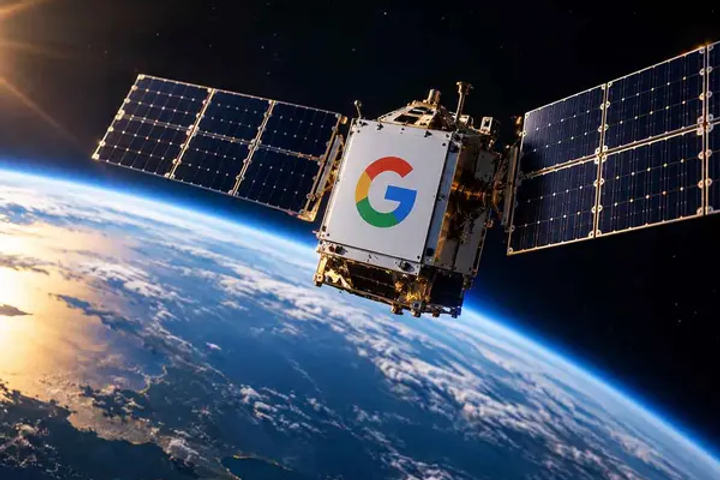
Google’s orbital AI compute test is early-stage, but it points to a much bigger infrastructure question: where will future AI workloads run?
What happened
Google launched its Project Suncatcher prototype satellite into orbit with Planet and SpaceX. The satellite carries Google TPUs and is designed to test whether machine-learning hardware can operate reliably through spaceflight stress, radiation and thermal extremes.
The project is still experimental, but it gives Google real-world data on whether AI accelerators can survive and function in orbit.
Why it matters
Terrestrial data centres face growing constraints around power, land, cooling and permitting. Space-based compute is not a near-term replacement, but it is becoming a more serious research direction as AI infrastructure demand keeps rising.
Running chips in orbit introduces hard technical challenges, including radiation exposure, heat management, launch costs and maintenance limits. Testing actual hardware is a necessary step before any larger space-compute concept becomes credible.
The bigger picture
AI infrastructure is expanding beyond conventional data-centre thinking. Companies are exploring new locations, energy sources and architectures to support compute growth. Google’s test puts space-based AI compute on the long-term roadmap.