
goNEON secures €160K for AI infrastructure planning
ETH Zurich spinout goNEON secured €160K to test AI agents that generate infrastructure designs while accounting for engineering and regulatory constraints.
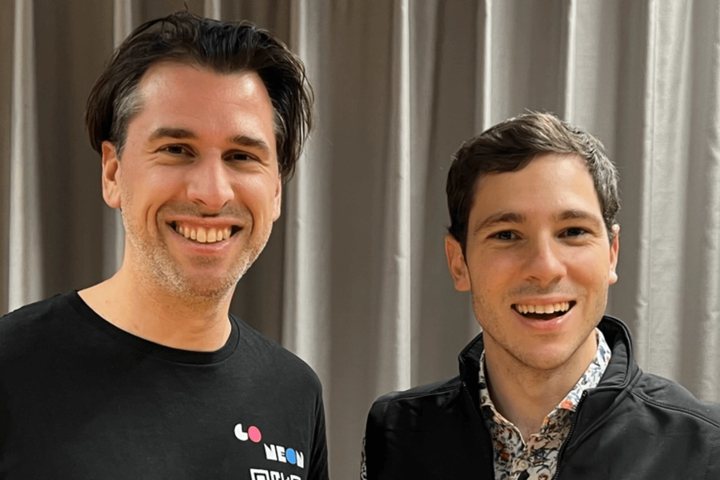
Infrastructure planning is a harder target for AI than ordinary office work. Generated designs must satisfy technical limits, regulation and physical reality—not simply sound convincing.
What happened
goNEON Agentic Systems secured approximately €160K, or CHF150K, to develop AI agents for infrastructure planning.
The ETH Zurich spinout is building software that generates technically feasible project designs while considering engineering requirements, physical constraints and regulation. The funding will support early customer pilots, product development and testing of repeatable planning workflows.
The company is still at a very early stage. It has not yet demonstrated broad commercial deployment, and the financing is significantly smaller than a typical institutional venture round.
Why it matters
Infrastructure projects involve many interdependent decisions. A change to one part of a design can affect costs, permits, construction requirements and the viability of the wider project.
That makes the sector a useful test for whether AI agents can move beyond text generation and perform constrained technical reasoning. Even partial automation could reduce planning time and help engineering teams examine more design options before committing to expensive construction work.
The bigger picture
The next wave of enterprise agents is moving into domains where errors have physical and financial consequences. Companies entering these markets will need stronger verification, traceability and human review than generic productivity tools.
goNEON’s funding is an early signal rather than proof of scale. Its real test will be whether engineers trust the system’s outputs on live projects and whether the software can adapt to different jurisdictions, technical standards and infrastructure types.