
GM details AI and autonomy overhaul for its vehicles
GM's technology roadmap combines enterprise AI, centralised vehicle computing, OnStar assistance and planned autonomy upgrades.
What happened
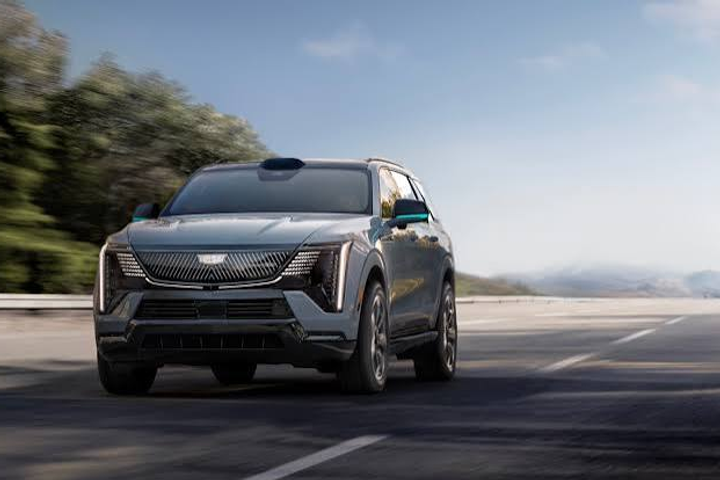
GM outlined an integrated technology roadmap at its 21 October GM Forward event. It covers enterprise AI, centralised vehicle computing, an OnStar AI assistant and autonomous highway driving. Major architecture and autonomy changes are planned for 2028, while the company is also targeting shorter vehicle-development cycles.
Why it matters
Vehicle performance increasingly depends on how computing, software and physical systems work together. Updating that architecture can influence the speed of product development and the features a manufacturer can add. GM's roadmap therefore has implications for suppliers of computing, simulation and AI tools as well as for the cars themselves.
The bigger picture
The important distinction is between a roadmap and delivered capability. Planned driverless features and faster engineering cycles need to be demonstrated in practice. Combining GM's related announcements into one story makes the broader strategy clearer: build a more connected platform that can support new services and improve over time, with execution and reliability determining its commercial impact.