
GlobalFoundries Builds Chip Platform for Physical AI
GlobalFoundries has unveiled a new semiconductor platform designed for low-power Physical AI workloads.
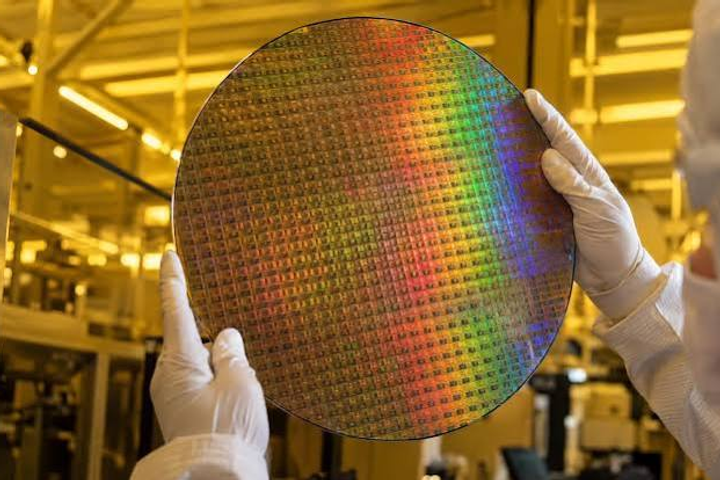
Physical AI needs different semiconductor characteristics from giant training clusters.
What happened
GlobalFoundries unveiled FDX Fusion, a next-generation semiconductor platform designed for applications such as robotics, vehicles and industrial systems.
The platform is intended to combine computation, sensing, connectivity and control with low power consumption and real-time performance.
Manufacturing is planned in Dresden.
Why it matters
Training frontier models rewards maximum compute density.
Physical systems care more about energy efficiency, latency, reliability and integration with sensors and actuators.
That means the rise of robotics could create demand for a different class of AI chips than the GPUs dominating data centres.
The bigger picture
Physical AI is becoming a semiconductor market of its own.
As intelligence moves into machines operating in the real world, chipmakers are designing platforms specifically around those constraints.
GlobalFoundries' roadmap is a strong signal that the category is moving from robotics software into the manufacturing stack beneath it.