
Flosonics partners with BARDA on AI-enabled trauma monitoring
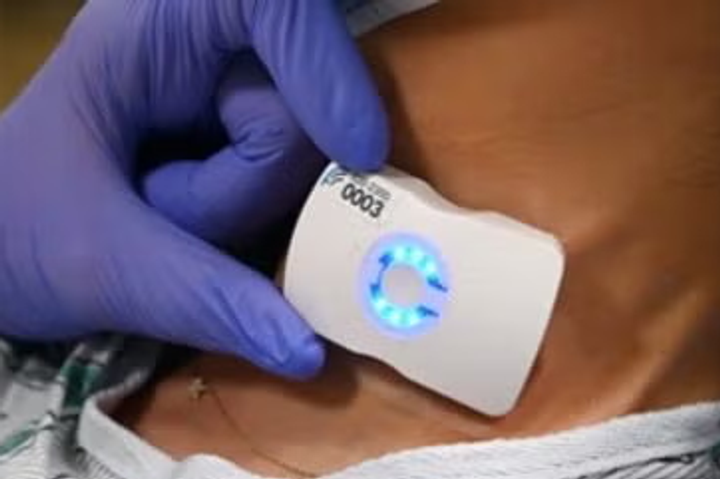
Flosonics Medical is working with BARDA to extend its wearable Doppler platform into AI-assisted trauma and mass-casualty care.
AI-enabled medical devices are moving beyond hospital monitoring into emergency and disaster-response environments where clinicians have less time and less information.
What happened
Flosonics Medical announced a development contract with BARDA to support FloPredict, an AI-enabled software enhancement to its FDA-cleared FloPatch wearable Doppler ultrasound device. The programme aims to extend real-time blood-flow monitoring into trauma care and mass-casualty response.
Why it matters
Trauma teams need to determine quickly whether a patient is responding to fluid treatment or deteriorating. Continuous haemodynamic data from a wearable device could provide more information than intermittent checks, particularly when staffing and equipment are constrained.
The bigger picture
Medical-device companies are increasingly adding predictive software on top of already-cleared hardware. That can create a faster path toward clinically useful AI because the sensing infrastructure and workflow integration already exist, while government programmes such as BARDA can help fund deployment into high-risk emergency settings.