
Figma Builds Design Rules for AI Agents
Figma has introduced Specs, a new system for defining the rules, context and design language that AI agents should follow when generating or changing products.
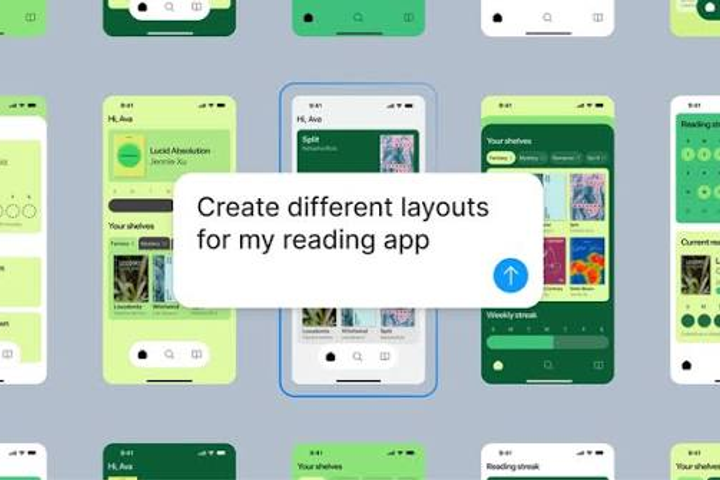
Figma has introduced Specs, a new system for defining the rules, context and design language that AI agents should follow when generating or changing products.
What happened
Specs uses Markdown-based instructions that can reference Figma designs, FigJam diagrams, code and design libraries. The goal is to give both people and AI agents a shared source of truth for how products should look and behave. Figma also opened its code-layers feature to public beta, allowing teams to add executable code to prototypes, and said its MCP now supports more than 20 additional tools. The launch expands Figma's role from interface design toward coordinating design systems, code and AI-assisted product development.
Why it matters
As agents start generating interfaces and software, companies need mechanisms that keep those outputs aligned with brand rules, accessibility standards and established design systems. Without machine-readable constraints, agents can create inconsistent products even when individual outputs look polished.
The bigger picture
Figma is positioning the design system itself as operational context for autonomous tools. If agents increasingly move between design and code, platforms that control shared product context could become important orchestration layers rather than simply visual editing tools.