
Felicis Doubles Down on Robotics
Felicis hired a new partner to lead hard-tech investing, signalling more VC focus on robotics, defence, energy and physical AI.
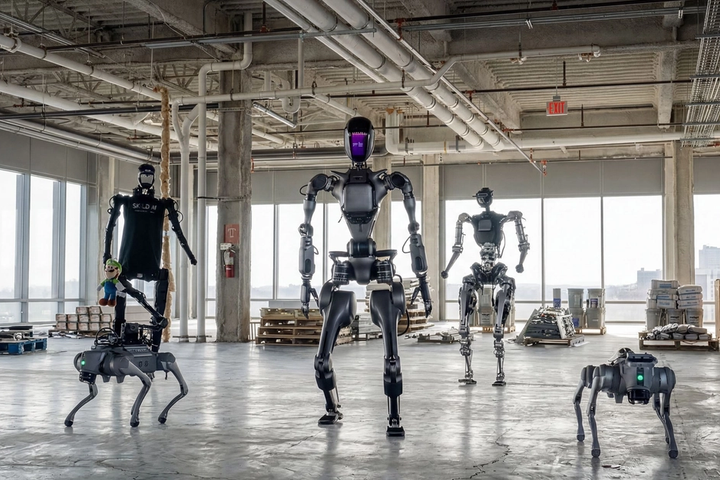
Generalist venture firms are paying more attention to the physical side of AI.
What happened
Felicis hired Graham Littlehale as a partner to lead investments in aerospace, defence, energy, manufacturing and robotics. The firm pointed to robotics and physical AI as a major focus area.
This is not a startup funding round, but it is a useful VC strategy signal. It shows where a major venture firm wants deeper expertise as software, hardware and autonomy start to converge.
The move also reflects rising investor interest in hard-tech categories that were once seen as slower or too capital-intensive for traditional venture.
Why it matters
Physical AI is becoming a bigger venture theme. Robotics, industrial automation, defence software, energy infrastructure and manufacturing all depend on AI moving from digital tasks into real-world systems.
Those markets require different diligence than SaaS. Investors need to understand hardware timelines, procurement, regulation, deployment risk and customer concentration.
Hiring a dedicated hard-tech partner suggests Felicis wants to build more credibility in those areas.
The bigger picture
The AI market is splitting into two layers. One is software-native automation. The other is physical deployment: machines, factories, energy systems, vehicles and infrastructure.
More VC firms are likely to build specialised teams for the second layer because it may produce large companies, but only for investors willing to handle slower cycles and more technical risk.