
EU Inc. Reform Retains Startup Stock Options
EU ministers agreed a negotiating position on a proposed cross-border company framework with simplified incorporation and stock-option provisions.
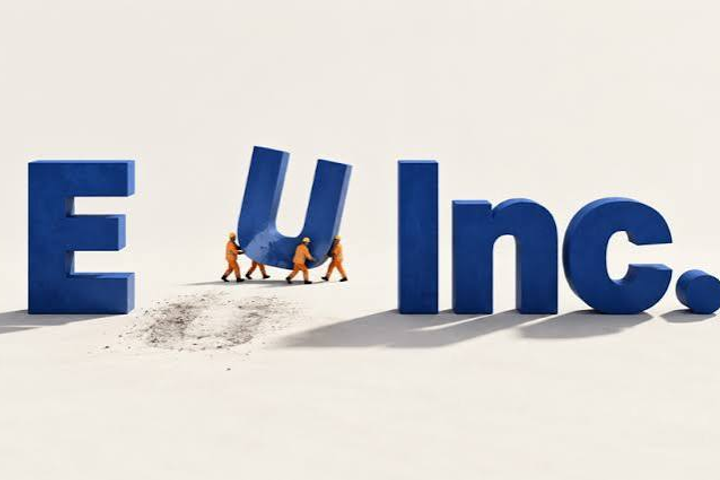
Europe's startups often have to navigate different company-law and employee-equity rules as they expand across borders. A proposed new corporate framework has advanced, though with important compromises.
What happened
The Council of the EU adopted its negotiating position on EU Inc. on 23 October, with the developments discussed on 26 October. The proposal aims to create a more standardised European company framework for innovative businesses.
Elements retained include online incorporation within 48 hours at a cost of no more than €100, along with a harmonised mechanism for employee stock options. Other ambitions were scaled back: a central European company register and a dedicated insolvency chapter were removed from the Council's position.
This remains a legislative proposal subject to further negotiation, not a system founders can already use.
Why it matters
Incorporation, equity incentives and administrative obligations can become expensive for startups employing people or operating across multiple European markets. Simpler rules could reduce friction in fundraising, hiring and expansion, particularly at the early stage.
However, the benefits will depend on the final legal text and how it interacts with national tax, employment and insolvency regimes. Removing or narrowing common provisions may preserve fragmentation in areas that matter to founders.
The bigger picture
European competitiveness debates increasingly focus on company formation and scaling infrastructure, not just venture funding. EU Inc. is an attempt to treat the single market as a more usable home market for startups. The gap between a promising framework and genuinely simpler daily operations will be the key measure of success.