
Epitel Raises $26M to Take Brain Monitoring Home
Epitel has raised a $26 million Series B to expand its FDA-cleared wireless EEG system for remote seizure monitoring.
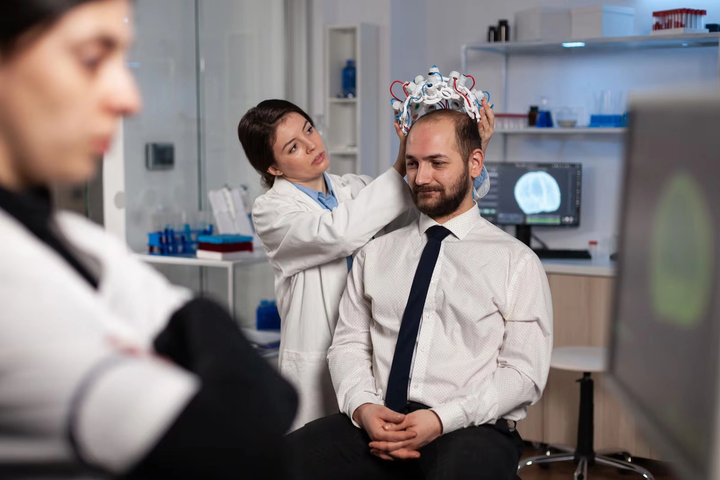
A short hospital test can miss a neurological event that happens unpredictably. Epitel wants to make brain monitoring portable enough to continue beyond the clinic.
What happened
Epitel raised a $26 million Series B co-led by Catalyst Health Ventures and Genoa Ventures.
Its REMI system uses wireless wearable sensors to record electrical activity in the brain. The accompanying Vigilenz software flags possible seizure events for a clinician to review.
Conventional electroencephalography, or EEG, often requires specialised equipment, trained staff and wired sensors. Access can be limited, while a brief recording may not capture an intermittent event. Epitel’s approach is designed to support longer monitoring in settings outside a traditional EEG laboratory.
Why it matters
Remote monitoring could help clinicians collect a more representative picture of what happens during a patient’s normal routine. It may also reduce the need to keep someone in a hospital solely for observation.
The system is already FDA-cleared, so the company is financing commercial expansion rather than an entirely untested laboratory concept. That lowers one form of risk, although hospitals and clinicians still need evidence that the product fits their workflow and improves decision-making.
Software triage is important because long recordings generate too much data for a clinician to inspect continuously. Flagging suspected events can focus human attention while leaving the final interpretation with a trained professional.
The bigger picture
Medical clearance does not guarantee adoption. Epitel will need to demonstrate reliable signal quality, manageable false alerts, patient comfort and integration with existing clinical systems.
Commercial adoption and the effect on diagnosis times still require broader independent evidence. Reimbursement will also influence whether providers use remote EEG at scale.
Epitel reflects a wider shift in medtech: moving diagnostic-grade measurements from specialised rooms into wearable devices, then using software to manage the resulting data. The opportunity is not to remove clinicians, but to give them a longer and more useful window into events they might otherwise miss.