
Engineers charged over Rivian joint-venture trades
US prosecutors charged two former Volkswagen engineers over trades allegedly based on confidential information about the company’s Rivian partnership.
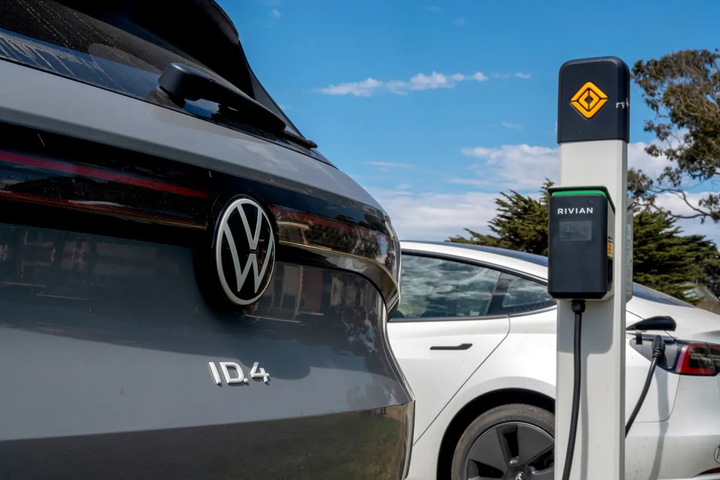
A criminal case linked to the Volkswagen–Rivian partnership highlights how sensitive information can spread far beyond the executives and advisers normally associated with major corporate transactions.
What happened
US prosecutors charged two former engineers from a Volkswagen subsidiary with conspiracy and securities fraud. The government alleges that they traded Rivian shares and options using confidential information about the planned Volkswagen–Rivian joint venture before it became public.
One family member was also allegedly involved. Prosecutors say the trades generated more than $300,000 in combined profits.
These are allegations. The defendants have not been convicted, and the claims will need to be proven in court.
Why it matters
Technology partnerships often involve engineering, product, finance and corporate-development teams long before an announcement. That creates a wider information-security challenge than a conventional merger handled by a small group of executives and bankers.
Companies need controls that identify who can access transaction information, how documents are shared and whether unusual trading or data access occurs before major announcements.
The bigger picture
As automakers form partnerships around batteries, autonomous driving and software platforms, commercially sensitive information is being distributed across more organisations and technical teams.
The case is therefore not only about alleged insider trading. It is a governance signal for companies entering complex strategic alliances.
The more operationally integrated a partnership becomes before it is public, the more important access controls, employee training and monitoring will be.