
Efficient Computer Raises $97M for Low-Power AI Chips
Efficient Computer has raised more than $97 million to scale processors designed for significantly lower-power computing.
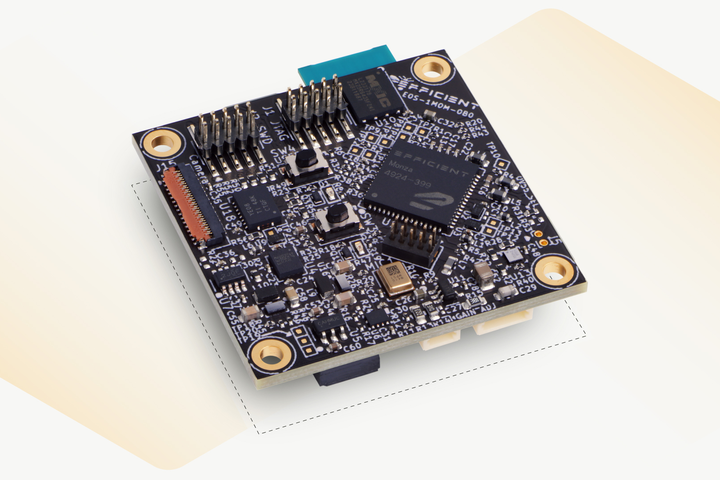
Efficient Computer has raised another large round around a hardware thesis that is becoming more important as AI power demand rises: not every workload should run on conventional CPUs or GPUs.
What happened
The company raised more than $97 million in Series B funding at a $650 million valuation, led by TQ Ventures.
Its Electron E1 processor is entering volume production, while the company plans to expand its architecture from embedded and physical-AI workloads toward data-centre computing.
Efficient says its design can deliver substantial energy-efficiency improvements on selected workloads. Those performance figures are company claims rather than independently verified benchmarks.
Why it matters
Energy consumption is becoming a core constraint on AI deployment.
GPUs are extremely powerful but can be inefficient for workloads that do not require their full flexibility.
Alternative architectures have an opportunity if they can handle specific tasks with materially lower power consumption.
The bigger picture
The AI-chip market is broadening.
The first phase of the boom rewarded general-purpose accelerators capable of training and serving large models.
The next phase could create more specialised processors optimised for inference, edge computing, robotics and low-power environments.
Efficient is betting that energy efficiency will become important enough to justify a fundamentally different computing architecture rather than incremental optimisation of existing chips.