
e-peas raises $22M for battery-free IoT
e-peas is scaling power-management chips that let small connected devices harvest energy from light, heat, vibration and radio signals.
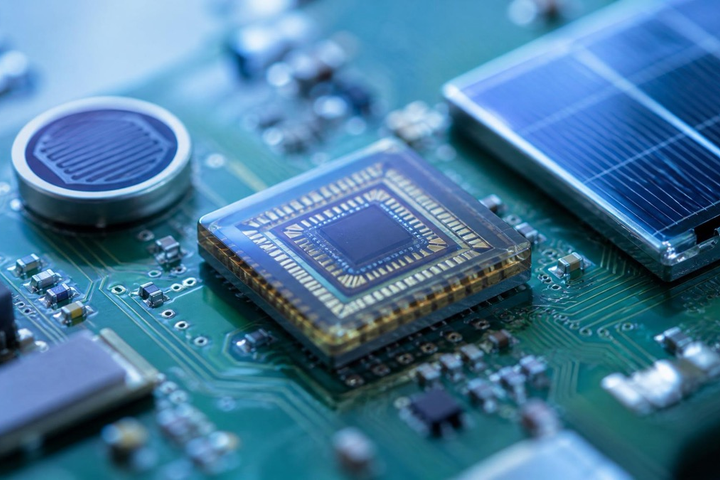
The Internet of Things is expected to place sensors almost everywhere. Maintaining and replacing batteries across those devices could become one of its largest hidden costs.
What happened
e-peas secured $22 million in financing led by Crédit Mutuel Innovation, with participation from SFPIM and existing investors including the European Innovation Council, Wallonie Entreprendre and KBC Focus Fund.
The Belgian fabless semiconductor company develops ultra-low-power power-management chips. Its devices capture small amounts of energy from ambient sources such as light, heat, vibration and radio frequency, then manage that power so connected products can operate with much smaller batteries or without regular battery replacement.
Existing applications include remote controls, building systems, cameras and asset-tracking devices. The capital will support international commercial expansion and new product families.
Why it matters
Battery replacement is expensive when sensors are deployed in hard-to-reach locations or in very large numbers. It also creates waste and limits the useful life of devices whose electronics may otherwise remain functional.
Energy harvesting can reduce maintenance, but available power is tiny and inconsistent. The value of e-peas’ chips lies in extracting and managing enough energy for useful sensing and communication under those constraints.
The bigger picture
Ambient IoT could expand connected infrastructure into places where conventional batteries are impractical: buildings, logistics networks, industrial equipment and agriculture.
The market depends on standards, device costs and reliable operation in real environments. e-peas does not need every product to become completely battery-free; extending battery life from months to years can already create substantial economic value. Its challenge is winning designs early, because semiconductor components are difficult to replace once a device enters mass production.