
Dutch Clean Tech raises €15M to expand into water infrastructure
Dutch Clean Tech has raised €15M and acquired a 25% stake in Guatemala’s Agua del Mariscal, combining modular water-treatment technology with ownership of operating infrastructure.
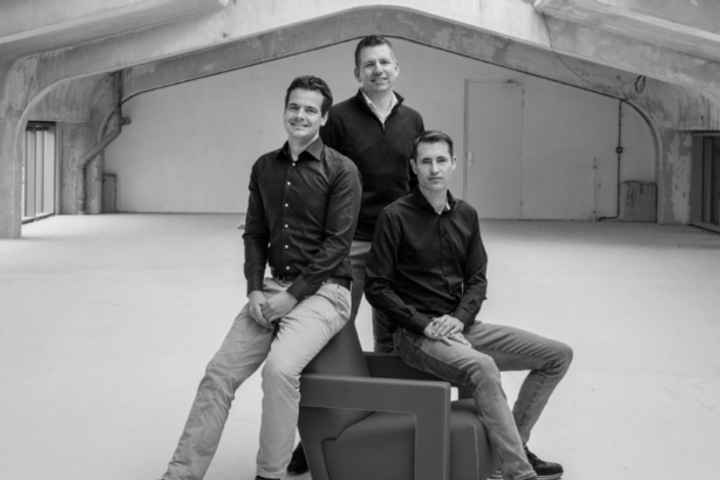
Dutch Clean Tech is moving from supplying water-treatment technology toward owning part of the infrastructure that delivers drinking water.
What happened
The company raised €15M from existing investors and used the financing to acquire a 25% stake in Guatemalan drinking-water business Agua del Mariscal. Dutch Clean Tech develops, finances and operates modular water-treatment facilities for governments and industrial customers.
The investment expands its exposure beyond equipment sales. By owning a stake in an operating water company, Dutch Clean Tech can participate in the recurring revenue generated as treated water is delivered, while applying its technology directly within the asset.
Modular systems can be installed more quickly and at a smaller scale than large centralised treatment plants. That can make them useful in regions where population growth, industrial demand or limited public budgets create a need for capacity that can be added incrementally.
Why it matters
Water technology companies often face a difficult commercial gap: customers need infrastructure, but municipalities and industrial operators may not have the capital or technical capacity to buy and manage new systems themselves. Combining project finance, operations and technology can make adoption easier.
The trade-off is that owning infrastructure requires more capital and exposes the company to construction, regulatory and operating risk. Returns also arrive over longer periods than a one-off equipment sale.
The bigger picture
Climate adaptation is creating demand for companies that can deliver complete infrastructure rather than isolated products. Water scarcity, pollution and ageing networks require physical assets, local partnerships and patient finance.
Dutch Clean Tech’s model reflects a broader shift toward “technology-enabled infrastructure,” where a startup’s competitive advantage comes from both its engineering and its ability to finance and operate projects. If the approach scales, the company could build a portfolio of recurring water assets—but it will need to manage local regulation and execution across very different markets.