
Drug Farm closes $55M Series D financing
Drug Farm has completed the first close of a late-stage financing to advance clinical programmes across rare inflammatory and immunological diseases.
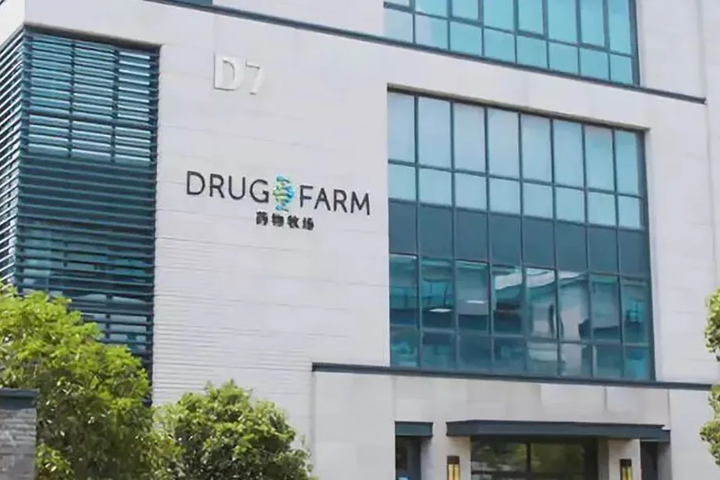
Drug Farm is raising late-stage capital across the US and China while biotechnology becomes more exposed to geopolitical and regulatory fragmentation.
What happened
The company completed the first closing of a $55 million Series D. Shanghai Pudong Leading Area Investment Center and Shanghai Puxing Collaborative Private Equity Fund co-led the financing.
New investors included Tukar Capital, Fuzhou Xinhe Fund, Shenzhen Luohu Donghai Chempartner Investment Fund and Keyuan Pharma. Existing backers also returned.
Drug Farm is developing therapies for immunological, inflammatory and infectious diseases. Its pipeline includes programmes addressing rare genetic conditions such as ROSAH syndrome, an autoinflammatory disorder that can damage the eyes and other organs.
The proceeds will support clinical and preclinical programmes, international regulatory work and additional research capacity. Because the company describes this as a first closing, the wider Series D process may continue beyond the announced $55 million.
Why it matters
Rare-disease programmes can provide a focused path through development because the patient population and biological mechanism may be more clearly defined. They can also be commercially challenging due to small markets and the need for specialised trials.
Drug Farm’s dual presence gives it access to investors, researchers and clinical infrastructure in two major biotech markets, but also exposes it to changing cross-border rules.
The bigger picture
Biotech capital is increasingly global even as governments seek greater control over data, intellectual property and supply chains. Companies operating across jurisdictions must design regulatory and financing strategies that remain resilient to political change.
The round gives Drug Farm resources to advance its pipeline, but late-stage investors will ultimately require clinical evidence. The important next milestones are trial results, regulatory progress and clarity on which programmes can support commercially viable products.