
CurvLabs Uses Wearables for Back Pain
CurvLabs is using wearable spinal sensors to rethink how back pain is monitored between appointments.
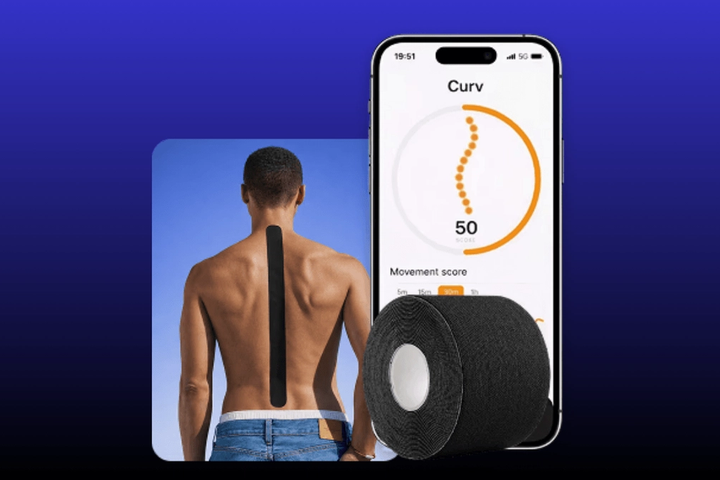
Back pain is one of the most common health problems, but clinicians often see only a tiny snapshot of how someone actually moves.
What happened
CurvLabs is building a wearable spinal sensor device that tracks how the spine moves during everyday life. The company’s goal is to give users and clinicians more continuous real-world movement data between appointments.
The story is product-focused rather than a disclosed funding round, which makes it a weaker VC signal. Still, the use case is specific and easy to understand.
Why it matters
Back-pain treatment often depends on self-reporting, short clinic assessments and exercises that may or may not match a patient’s real daily movement. Continuous motion data could help clinicians understand patterns, monitor recovery and personalise treatment more effectively.
The challenge is turning wearable data into something clinically useful rather than just another stream of numbers. For CurvLabs, evidence, usability and clinician adoption will matter more than hardware novelty alone.
The bigger picture
Healthtech hardware is moving toward passive, everyday monitoring. The most useful devices will not be the ones that collect the most data, but the ones that make hidden patterns visible enough for patients and clinicians to act on.