
Colossal Launches AI Platform for De-Extinction
Colossal Biosciences has launched GenoMorph, an AI platform designed to infer which genetic changes may be responsible for physical traits in extinct species.
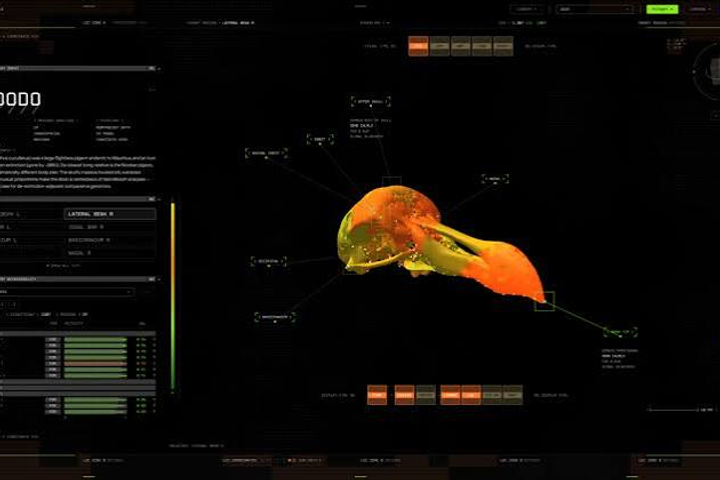
Colossal Biosciences has launched GenoMorph, an AI platform designed to infer which genetic changes may be responsible for physical traits in extinct species.
What happened
GenoMorph combines comparative genomics, developmental biology and 3D morphology. Colossal says the platform is useful when researchers have limited ancient DNA and need to infer candidate edits from living relatives. The company trained the system using developmental data from several bird species alongside genomic and skull data from more than 70 species. It reports identifying thousands of candidate DNA-editing targets linked to dodo craniofacial traits. Colossal also says its Nicobar pigeon colony has grown and that it has created precursor reproductive cells important to its dodo programme. These findings are company-reported research milestones and do not mean an extinct species has been recreated.
Why it matters
The underlying technology addresses a broader scientific challenge: linking genetic variation to physical form when datasets are sparse. Better genotype-to-phenotype inference could support conservation biology, agriculture and synthetic biology beyond de-extinction.
The bigger picture
AI can narrow the search space for genetic experiments, but predicted edits still require extensive biological validation. Colossal's most important contribution may ultimately be tools for comparative biology rather than the headline ambition of recreating extinct animals.