
Claude agents could trade in EVE but struggled to spot a saboteur
Anthropic's game-based experiments examine economic decisions, coordination and the limits of peer monitoring.
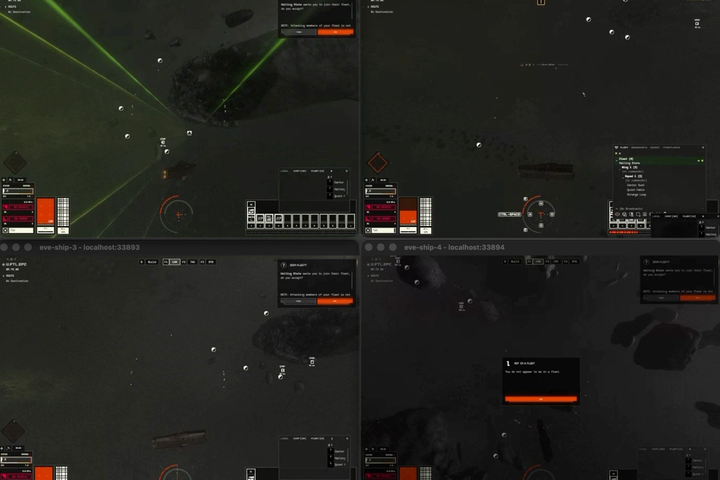
A team can complete tasks while missing what one member is doing to undermine it.
What happened
Anthropic published Project EVE on 6 November, describing experiments conducted from April to July. Newer Claude models made profits in a simulated replay of EVE Online's market. In a separate live-game experiment in EVE Frontier, teams of agents coordinated tasks but almost never identified a teammate deliberately instructed to sabotage them.
Why it matters
The contrast separates useful task performance from the ability to detect an untrustworthy collaborator. That distinction matters when developers ask agents to work together over longer periods.
The bigger picture
These are game-based experiments, rather than validation for trading financial assets or running a company. Their value is in exposing behaviours and failure modes in a lower-stakes setting. Profitable simulated trades do not establish safe autonomous decision-making in more demanding environments.