
China’s reusable rocket test raises the space-cost stakes
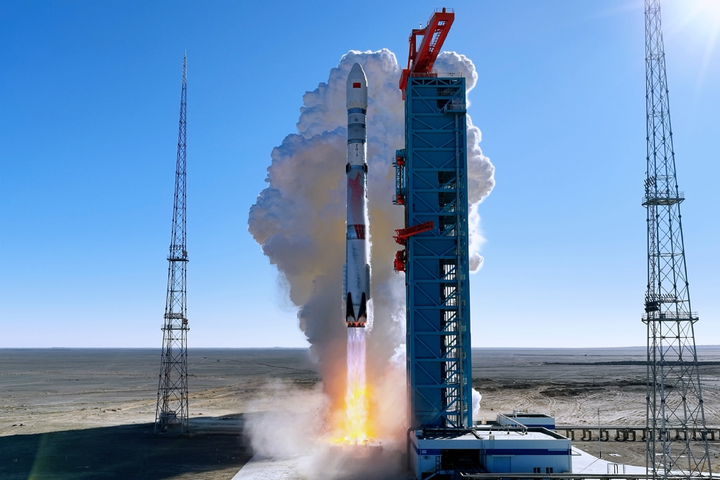
China’s successful sea recovery of a reusable Long March booster adds pressure to the global launch-cost race.
Reusable rockets are not just impressive engineering. They are a direct attack on the cost of getting infrastructure into orbit.
What happened
China’s state-owned space company launched a Long March orbital rocket and recovered its booster on a sea vessel.
The successful recovery makes China the second country to achieve this kind of reusable-booster sea landing. The company said it plans to attempt reusing the booster by the end of the year.
That puts China closer to proving whether reusable launch can move from demonstration into repeatable operations.
Why it matters
Launch cost is one of the biggest constraints in space infrastructure.
If boosters can be reused reliably, satellite deployment becomes cheaper and faster. That matters for communications networks, Earth observation, defence-related space systems and future commercial space platforms.
The test also increases competitive pressure on private and state-backed launch providers globally.
The bigger picture
Space is becoming an infrastructure race.
The companies and countries that can launch more often, at lower cost, will have an advantage in satellites, data services and orbital logistics. China’s test suggests reusable launch is no longer only a U.S.-led capability story. The cost curve is becoming more contested.