
China tightens indium export checks as AI demand rises
China’s tighter checks on indium exports show how AI infrastructure depends on obscure materials, not just GPUs and models.
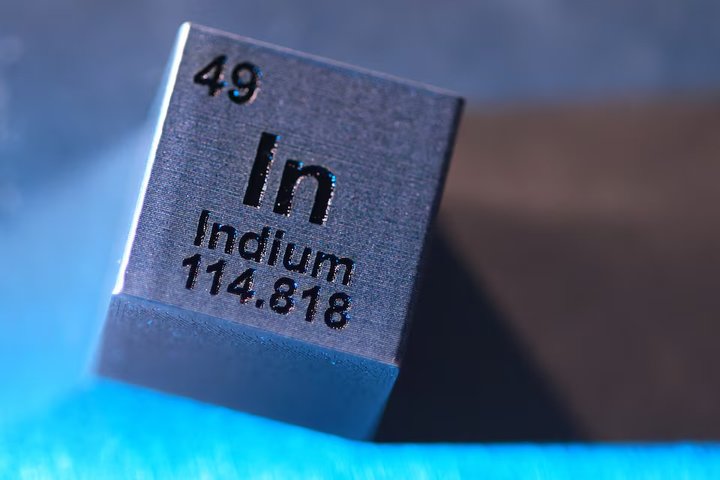
The AI supply chain has a lot of hidden bottlenecks. Some of them are not famous chips or flashy models, but niche materials most people barely hear about.
What happened
China is reportedly increasing scrutiny over exports of indium, a niche metal used in indium phosphide.
Indium phosphide matters because it is used in high-speed optical components that can support next-generation AI data centres. China produces a large share of global indium supply, making export checks strategically important.
Why it matters
This shows that AI infrastructure is vulnerable far beyond GPUs.
Modern AI data centres need chips, networking, optical components, energy systems and specialist materials. If one layer becomes constrained, the whole compute buildout can get more expensive or slower.
The bigger picture
The AI race is increasingly becoming a supply-chain race. Countries and companies are not only competing over models, but also over minerals, optical chips, manufacturing capacity and export controls.