
CEVA Breach Shows Supply-Chain Cyber Risk
A cyberattack at CEVA Logistics affected customers across retail, banking and gaming, showing how vendor breaches can ripple across sectors.
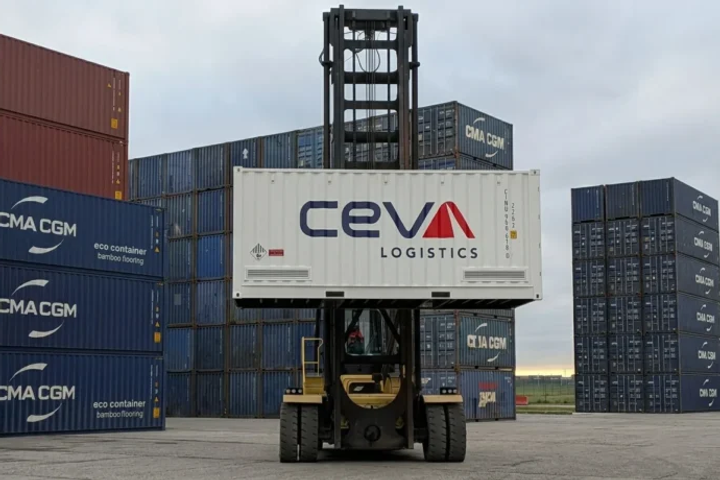
The CEVA Logistics breach is a reminder that cybersecurity risk often spreads through operational partners rather than directly through a company’s own systems.
What happened
CEVA Logistics confirmed a cyberattack affecting part of its European contract logistics operations. Several companies that rely on CEVA for shipping said customer data had been stolen, with affected groups spanning retail, banking, eyewear and gaming hardware customers.
The incident matters because logistics providers sit inside many customer journeys. A retailer, bank or hardware company may own the customer relationship, but delivery and fulfilment partners often handle names, addresses, orders and other sensitive data.
Why it matters
This is not a startup funding story, but it is a strong market signal for supply-chain cybersecurity. As companies outsource more operations, their real attack surface expands into vendors, contractors and infrastructure partners.
For security teams, that means risk management cannot stop at internal systems. Vendor access, data-sharing flows and breach-response coordination become part of the product and customer-trust equation.
The bigger picture
Cybersecurity is increasingly a network problem. One weak point in logistics, payments, analytics or customer support can affect many brands at once. That creates room for better vendor monitoring, data minimisation and incident-response tooling.