
Cellebrite case tests surveillance-tech controls
A new case raises questions about whether surveillance-tech vendors can control legacy tools after cutting off customers.
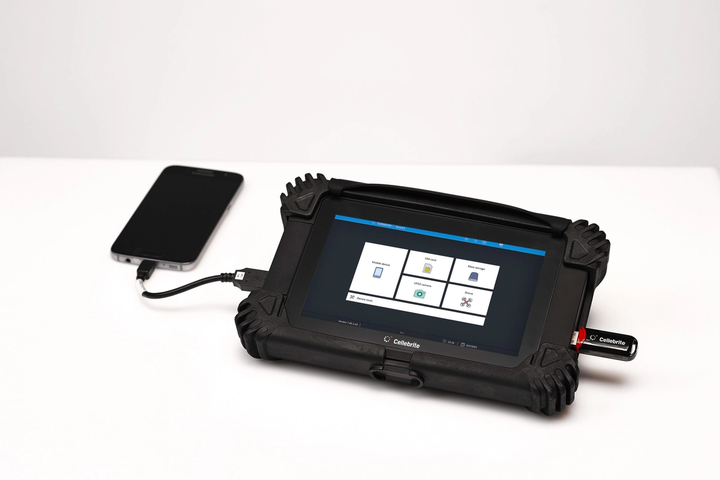
Powerful forensic tools create a control problem after they are sold. A new Cellebrite case raises questions about what happens when legacy technology remains usable after a company cuts off a customer.
What happened
A Citizen Lab report found evidence that Russian authorities used Cellebrite technology against opposition politician Andrey Pivovarov after Cellebrite had said it cut ties with Russian government customers.
Cellebrite said any post-March 2021 Russian use of legacy hardware was unauthorised.
Why it matters
This is a cybersecurity governance signal.
Companies selling powerful forensic or surveillance tools need more than policies saying customers are cut off. The real question is whether they can technically control, disable or audit the tools after distribution.
The bigger picture
Cybersecurity companies increasingly face trust and accountability tests. For sensitive technology, product control can become as important as product capability.