
CATL Expands Batteries Into Grids, AI and Ships
The world’s largest EV-battery maker is extending its manufacturing platform into stationary storage, data-centre power and maritime transport.
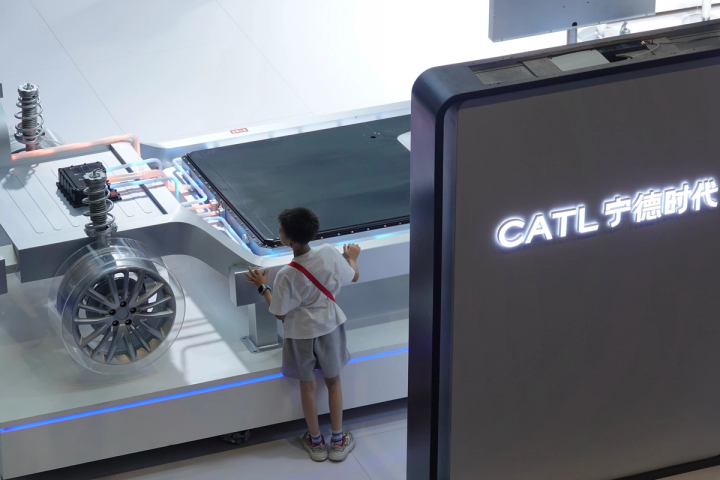
CATL is trying to turn its battery manufacturing advantage into a much broader energy platform.
What happened
The company is expanding beyond electric vehicles into grid-scale storage, AI data-centre power systems and maritime transport.
CATL already controls roughly 40% of the global EV-battery market and around 30% of battery energy storage. That scale gives it purchasing power, manufacturing experience and a large base of battery-management technology.
Why it matters
Grids with more renewable energy need storage to move electricity from periods of abundant supply to periods of high demand. AI data centres also need fast, reliable power systems that can smooth grid constraints and support backup requirements.
Ships create another large market where electrification can reduce fuel use and emissions on suitable routes.
The bigger picture
Battery companies are beginning to look less like automotive suppliers and more like infrastructure providers. CATL can reuse core chemistry, production and software across several markets, making it difficult for smaller specialists to compete on cost. The strategic risk is concentration: more critical energy systems may depend on a small number of very large manufacturers.