
Casepoint Launches Legal AI Framework
Casepoint’s new framework shows legal AI moving toward governed workflows rather than generic chatbot layers.
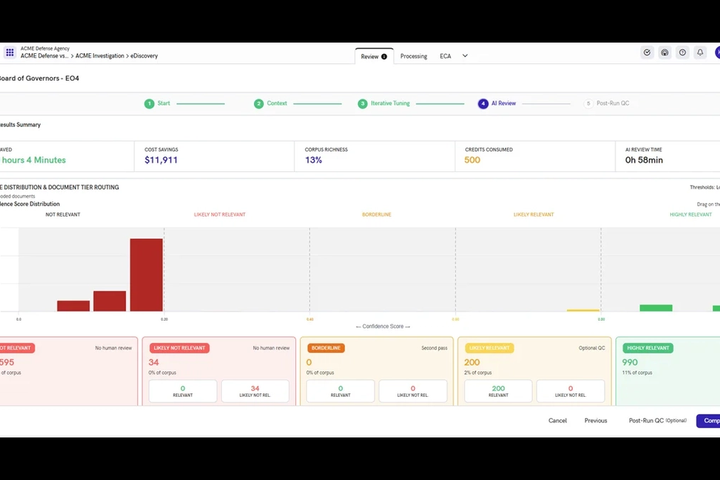
Legal AI is moving deeper into the workflows where auditability, permissions and evidence handling matter most.
What happened
Casepoint introduced Casepoint IQ, an AI framework for legal, government and compliance workflows. The system is designed for use cases including eDiscovery, legal hold, FOIA requests, investigations and compliance review.
The framework combines AI assistance with human-in-the-loop governance across the platform. That matters in legal environments where users need traceability, review controls and confidence that sensitive material is handled correctly.
Why it matters
This is a practical legaltech AI signal. Many early AI tools in legal work focused on summarisation or drafting. Casepoint is positioning AI inside structured, regulated workflows where mistakes can have legal, financial or reputational consequences.
For customers, the value is not just speed. It is reducing manual review burden while maintaining control over who sees what, how outputs are generated, and how decisions are checked.
The bigger picture
Legal AI is likely to split between lightweight productivity tools and deeper workflow platforms. The second category is harder to build because it needs security, governance, document handling and integration with existing legal processes.
That creates an opportunity for established legaltech platforms. If they can add AI without weakening trust, they may be better placed than standalone AI wrappers to serve government, enterprise and regulated customers.