
Callosum Raises $100M for AI Compute Routing
Callosum is attacking the messy infrastructure layer between AI workloads, models and chip architectures.
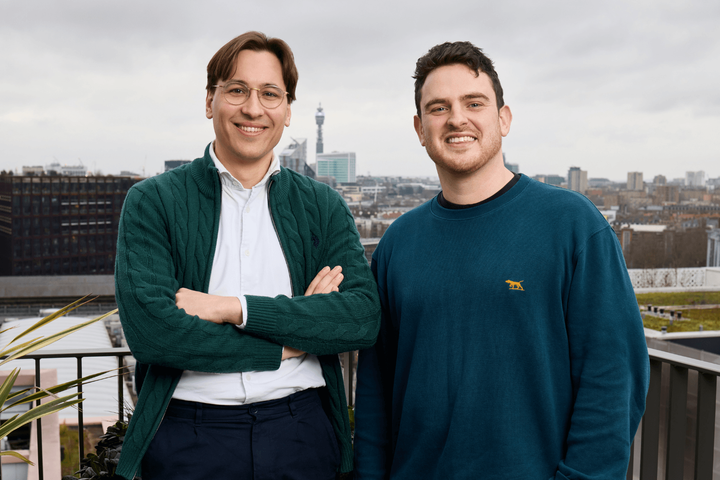
AI companies are not just running bigger models. They are also trying to decide where every workload should run, which chip it should use, and how to avoid paying too much for compute.
What happened
London-based Callosum raised a $100M seed round to build infrastructure for routing AI workloads across different models and chip architectures. The idea is to improve cost, speed and performance by matching each task to the most suitable compute environment.
That matters because the AI stack is becoming more fragmented. Enterprises may use frontier models, open models, specialised smaller models, GPUs, custom accelerators and cloud-specific hardware all at once. The routing problem becomes harder as the number of options grows.
Why it matters
This is a strong AI infrastructure signal because it sits in the layer below the user-facing model and above the raw hardware. As inference costs become a real budget line, enterprises need systems that can decide whether a task needs the most expensive model or can be handled by a cheaper, faster alternative.
Callosum’s pitch also reflects a broader market shift: optimisation is becoming a product category. The early AI boom rewarded access to compute; the next phase may reward companies that make that compute less wasteful.
The bigger picture
AI infrastructure is moving from simple capacity expansion to orchestration. The winners may not only be chipmakers or model labs, but also the software layers that help companies use a mixed compute stack intelligently. Callosum is trying to become one of those routing layers.