
California Tightens Robotaxi Emergency Rules
California sets new requirements for autonomous vehicles that interfere with emergency responders or become disabled.
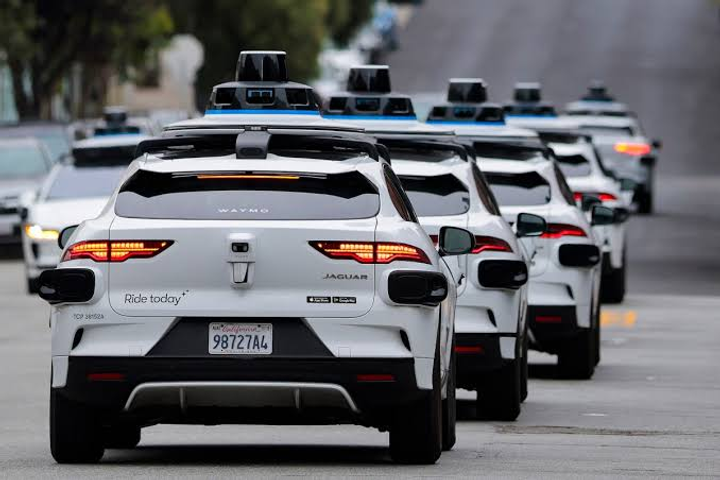
Robotaxi regulation is moving from broad safety approval into the practical details of operating autonomous fleets on public streets.
What happened
California passed new rules for autonomous vehicles that become disabled or interfere with emergency responders.
Robotaxi operators will need to provide local support when vehicles cause problems and may face penalties if an autonomous vehicle blocks police or firefighters for more than 30 minutes.
The rules are aimed at the operational edge cases that appear once robotaxi fleets move from test programmes into regular city traffic.
Why it matters
Autonomous-vehicle deployment depends on more than driving performance.
Cities need to know what happens when a vehicle stops, blocks a road, interrupts emergency response or cannot be moved quickly by a human driver. Local response capability becomes part of the safety case.
The bigger picture
Robotaxi companies are entering a more operational phase of regulation.
As fleets scale, public agencies will judge them not only by miles driven or crash rates, but by how well they integrate into the city systems around them: emergency services, traffic management, roadside support and accountability.