
Blue Arbor Raises $10.5M for Neural Prosthetics
Blue Arbor Technologies completes a $10.5 million Series A backed by Ottobock to develop an implanted neuromuscular interface for prosthetic control.
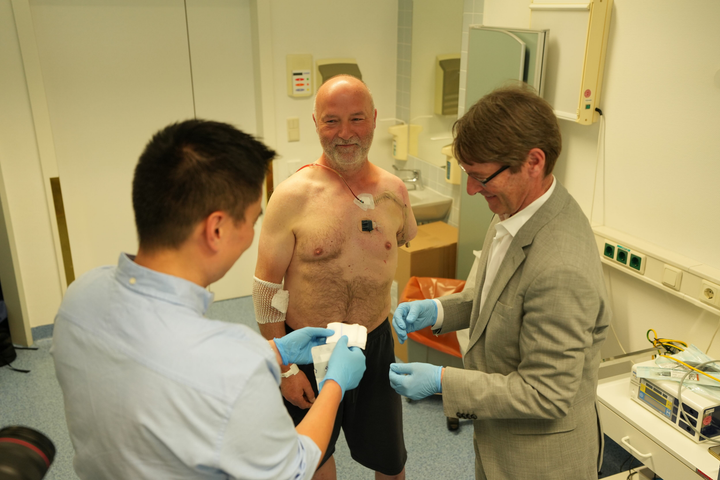
Modern prosthetic limbs can carry out sophisticated movements, yet making them respond naturally to a user's intent remains a central challenge. Blue Arbor Technologies is developing an interface designed to improve that connection.
What happened
Michigan-based Blue Arbor announced completion of a $10.5 million Series A financing led by prosthetics manufacturer Ottobock. The financing includes an earlier $5 million Ottobock investment disclosed in February, so the full round should not be characterised as entirely new cash raised on the October announcement date.
Blue Arbor is developing RESTORE, an implanted neuromuscular interface intended to capture signals associated with movement and translate them into commands for prosthetic devices. The approach focuses on the peripheral neuromuscular system rather than implanting electrodes directly into the brain.
The company reports completing two human implant procedures and plans further feasibility work and regulatory submissions to support US clinical studies. Those early procedures do not establish long-term efficacy or regulatory approval.
Why it matters
Controlling a robotic prosthesis through sensors placed on the skin can be difficult when muscle signals are weak or inconsistent. An implanted interface may offer more direct and stable information about intended movement, although surgery and device durability introduce additional risks.
Ottobock's participation is strategically relevant because a manufacturer with an established prosthetics business could help connect research-stage interfaces to real products and clinical workflows.
The bigger picture
Human-machine interfaces are expanding beyond brain-computer interfaces to technologies that interact with nerves and muscles. The next milestones for Blue Arbor are clinical safety, reliable everyday control and evidence that users experience meaningful improvements in function.