
Bikekey Expands Digital Bike ID Platform
Bikekey secured a strategic investment to expand its digital bicycle registry, turning bike ownership and theft prevention into mobility infrastructure.
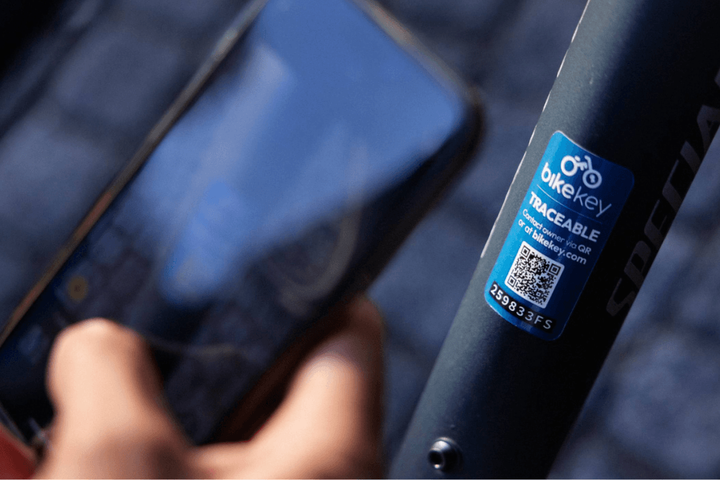
Bike ownership is becoming more digital, and not just because e-bikes are getting smarter. Bikekey is betting that identity infrastructure matters for two wheels too.
What happened
Bikekey secured a strategic investment from TÖNNJES to expand its digital bicycle registration system internationally. The company provides digital IDs for bikes, helping connect ownership records, registration and theft-prevention workflows.
Bikekey says more than 100,000 bikes are already registered in Denmark and Norway. The partnership is designed to use TÖNNJES’s public-sector vehicle-identification network to support wider rollout beyond those initial markets.
Why it matters
There is no disclosed funding amount, so this is not a classic VC-round story. The signal is more about mobility infrastructure. Bikes and e-bikes are becoming more valuable, more connected and more important to urban transport. That also makes theft, resale, insurance and ownership verification bigger problems.
A digital bike ID system sits in the unglamorous but useful layer of the market: not the vehicle itself, but the registry and trust infrastructure around it.
The bigger picture
As micromobility matures, cities and operators need better systems for accountability. That includes fleet management, theft recovery, insurance, registration and cross-border identification.
Bikekey is still a narrower story than a major autonomous or EV platform. But it shows a broader pattern: mobility markets often need infrastructure before they can scale cleanly. Sometimes that infrastructure is charging or batteries. Sometimes it is simply knowing which asset belongs to whom.