
Autonomous Vehicle Startups Pick Scaling Lanes
Autonomous-vehicle companies are moving from one broad autonomy narrative into more distinct robotaxi, trucking and partnership-led strategies.
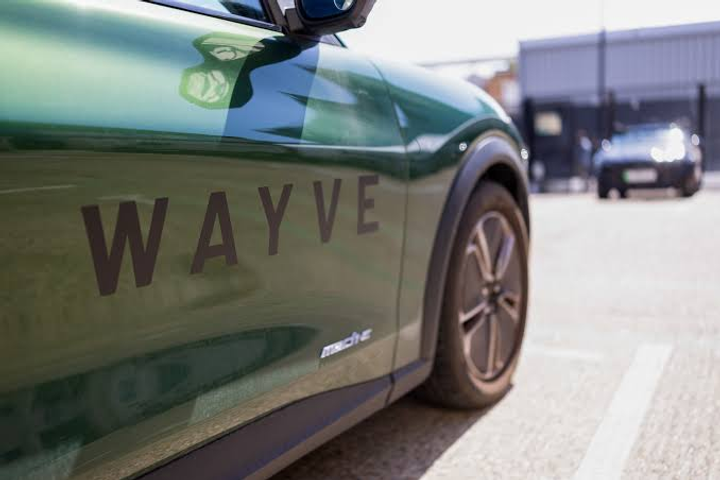
The autonomous-vehicle market is no longer moving along one shared path.
What happened
A new mobility roundup highlighted how major autonomy companies are taking increasingly different routes to commercialisation.
Some companies are pursuing robotaxi deployment in concentrated geographies. Others are focusing on autonomous trucking, driver-assistance partnerships, industrial mobility or supplying autonomy software to existing automakers.
The update also pointed to a wider set of developments across the sector, including safety investigations, platform partnerships and Nvidia-linked vehicle computing systems.
Why it matters
For years, autonomy was often discussed as a single race toward self-driving vehicles. The market now looks more segmented.
Robotaxis require city-by-city operations, regulatory permissions and dense fleet management. Trucking depends on highway routes, logistics customers and freight economics. Automaker partnerships depend on embedding autonomy into existing vehicle programmes.
Each path has different capital needs, safety risks and timelines.
The bigger picture
The autonomy sector is moving from technical demonstration toward business-model selection.
Investors and operators increasingly need to ask not only whether a system can drive itself, but which market structure allows that capability to scale profitably. The winners may look very different depending on whether autonomy grows through ride-hailing, logistics, licensing or embedded automotive systems.