
Aurora halves hardware cost for driverless trucks
Aurora’s second-generation autonomous-trucking system targets lower hardware costs and a one-million-mile operating life as deployment begins to scale.
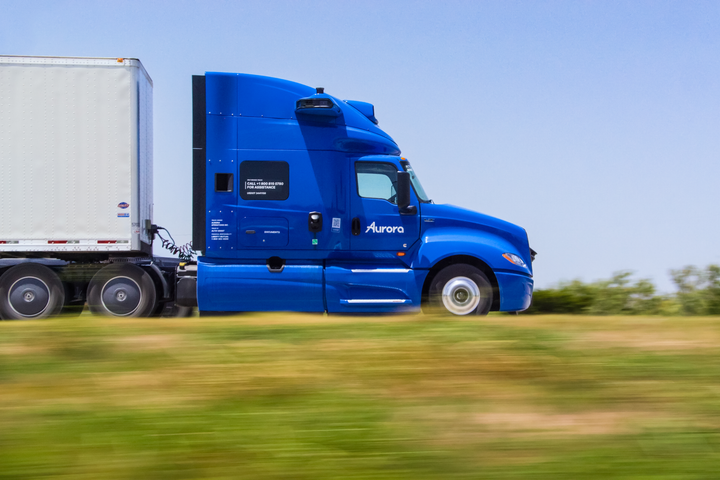
Autonomous trucks do not become commercially useful simply because they can drive without a person. The sensors and computers also need to survive years of freight operations at a cost that works per mile.
What happened
Aurora introduced Aurora Driver 2, the second generation of its autonomous-trucking system. The company says the new hardware is designed for a service life of one million miles and costs approximately half as much as its previous system.
The first vehicles will operate on Aurora’s Dallas-to-Houston freight route. Aurora plans to expand toward 200 driverless trucks by the end of 2026.
The system combines cameras, radar, lidar, computing hardware and supporting equipment that must continue operating through heat, vibration, dirt and long-distance commercial use. Aurora’s cost reduction therefore covers more than the price of an individual sensor: it affects installation, maintenance, replacement and fleet economics.
The one-million-mile target and cost claims remain company projections that will need to be demonstrated through extended operation at scale.
Why it matters
A prototype can tolerate expensive hardware and frequent maintenance. A freight fleet cannot. If the autonomous system costs too much or requires excessive downtime, labour savings may not be enough to justify deployment.
Designing the hardware around the normal life of a commercial truck also reduces the risk that the autonomy package becomes the component that forces early replacement.
The bigger picture
The autonomous-vehicle market is moving from demonstrations toward operating economics. Companies must prove safety, reliability, utilisation and cost at the same time.
Trucking offers a clearer early business case than many consumer robotaxi services because routes can be repeated, freight demand is measurable and long operating hours increase the value of removing driver constraints. Aurora Driver 2 is therefore an important execution milestone—but the decisive evidence will come from how reliably the system performs as the fleet grows from a limited corridor to hundreds of vehicles and additional routes.