
Atom Computing’s $300M-plus round keeps quantum ambition alive
Atom Computing raised more than $300M to build commercial-scale fault-tolerant quantum computers, showing deep-tech investors still have appetite for long-horizon infrastructure bets.
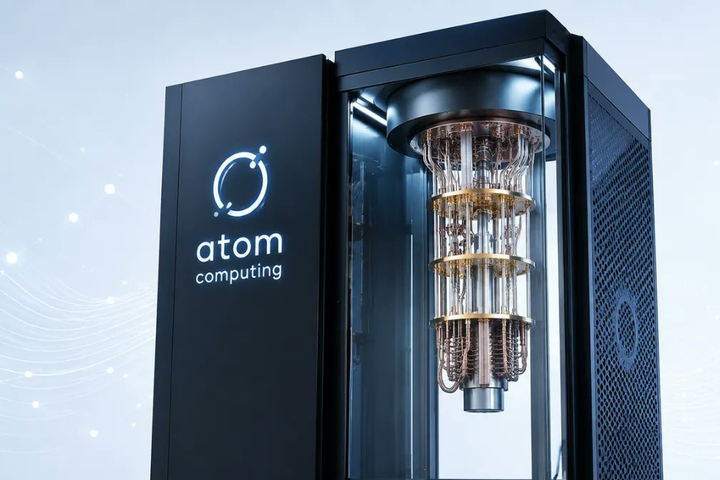
Quantum still feels early, expensive and slightly sci-fi. But Atom Computing’s latest round shows investors are still backing the companies trying to make it commercially useful.
What happened
Atom Computing raised more than $300M to continue developing commercial-scale fault-tolerant quantum computers.
The company works on quantum computing infrastructure, where the long-term goal is not just to build more qubits, but to build systems reliable enough to run meaningful calculations despite quantum errors.
Why it matters
Fault tolerance is one of the biggest bottlenecks in quantum computing. Today’s machines are powerful in theory, but fragile in practice. Errors build up quickly, which limits what they can actually do.
A round of this size suggests investors are still willing to fund quantum as a long-horizon platform technology, especially where the ambition is to move from lab systems toward commercially useful machines.
The bigger picture
The deep-tech funding market is not dead — it is becoming more selective. Investors may be less excited by vague “future computing” pitches, but they are still writing large cheques for teams attacking hard infrastructure problems with massive potential upside.
Atom Computing fits that pattern: high risk, long timeline, but potentially huge strategic value if fault-tolerant quantum becomes real.