
Aspen Neuroscience Targets $150M Parkinson's IPO
Aspen Neuroscience sets terms for a proposed $150 million US IPO to advance personalised stem-cell therapy for Parkinson's disease.
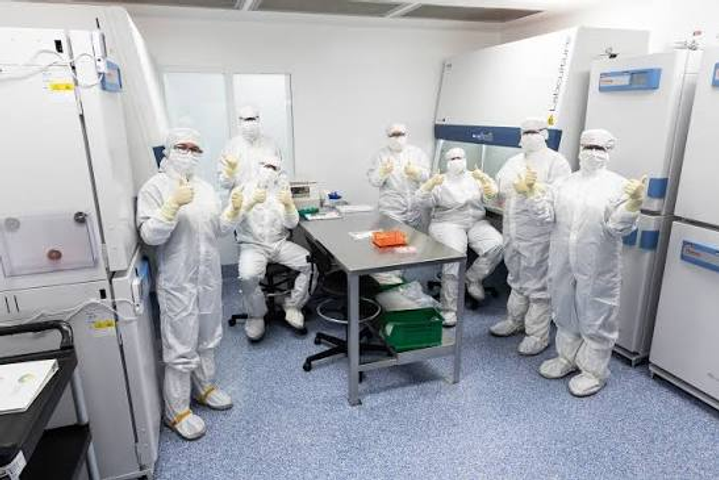
Regenerative medicine is testing public-market appetite for therapies that require unusually complex science and manufacturing. Aspen Neuroscience is seeking funding to advance its Parkinson's disease programme.
What happened
Aspen Neuroscience announced terms for a proposed US initial public offering, aiming to raise approximately $150 million through roughly 9.4 million shares priced between $15 and $17 each. It plans to list on Nasdaq under the symbol ASPE.
The San Diego biotechnology company is developing autologous induced pluripotent stem cell therapies for neurodegenerative disorders. Autologous means the starting cells come from the individual patient rather than a standardised donor source.
Its lead candidate, sasineprocel, is designed to replace dopamine-producing neurons lost in Parkinson's disease. The therapy is undergoing an open-label Phase 1/2a clinical trial. The company anticipates advancing toward Phase 3 in the second half of 2027, subject to development progress and regulatory requirements.
The proposed $150 million is not money already raised; final IPO pricing and completion remain pending.
Why it matters
Parkinson's treatments often focus on managing symptoms. Replacing lost cells aims to address an underlying biological deficit, but proving meaningful, durable clinical benefit is difficult.
Patient-specific cell production also creates manufacturing challenges around consistency, scheduling, quality control and cost. These factors matter alongside clinical efficacy when assessing whether the platform can become commercially viable.
The planned IPO would provide capital to continue clinical development while exposing the company to public-market scrutiny before its lead product reaches late-stage validation.
The bigger picture
Biotechnology IPO activity can return selectively even when capital markets are cautious elsewhere. Investors may fund differentiated therapeutic platforms with promising science, but early trial progress is not proof of commercial success. Aspen's milestones will hinge on safety, clinical benefit, manufacturing scalability and the ability to finance the remaining development path.