
Apple sues OpenAI as AI hardware rivalry sharpens
Apple’s lawsuit against OpenAI turns the AI hardware race into a talent, trade-secret and device-strategy fight.
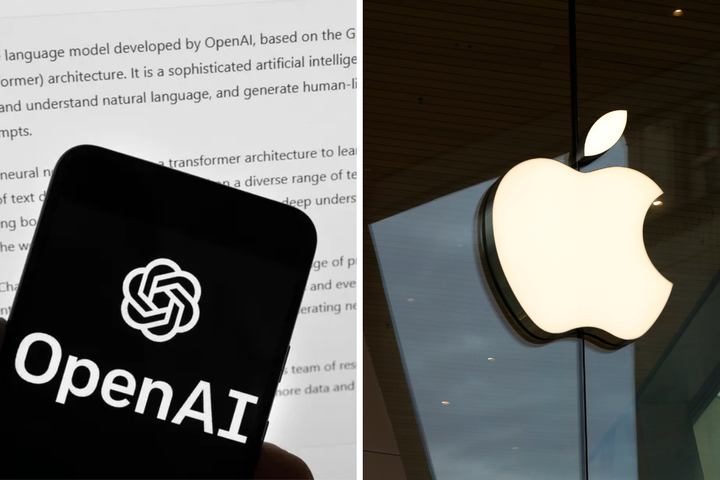
AI hardware is becoming more than a design challenge. It is also becoming a legal fight over talent, confidential know-how and who gets to define the next device interface.
What happened
Apple filed a lawsuit against OpenAI alleging trade secret theft and breach of contract.
The case centres on former Apple employees who joined OpenAI, including hardware executive Tang Tan, and claims confidential Apple information was used while OpenAI developed its own hardware product.
The timing matters because OpenAI has been moving beyond software and into device ambitions, putting it closer to Apple’s home territory.
Why it matters
The AI race is shifting from models and apps into hardware, where incumbents have deep advantages in design, supply chains, manufacturing and intellectual property.
If AI companies want to build their own consumer devices, they will need to hire hardware talent. That creates obvious tension with companies like Apple, where the most valuable knowledge is not just code but product architecture, industrial design and manufacturing process.
This lawsuit shows that the next AI interface may be fought in courtrooms as well as product launches.
The bigger picture
AI-native devices are becoming one of the biggest open questions in consumer tech.
The smartphone is still the default personal computer, but AI companies want to create new ways for people to interact with assistants, agents and multimodal tools. Apple has the platform. OpenAI has the AI momentum. The collision between them was probably always going to get messy.