
Apple delays smart glasses to tackle privacy
Apple is reportedly slowing its smart-glasses launch while testing on-device AI and tighter limits on recording and facial recognition.
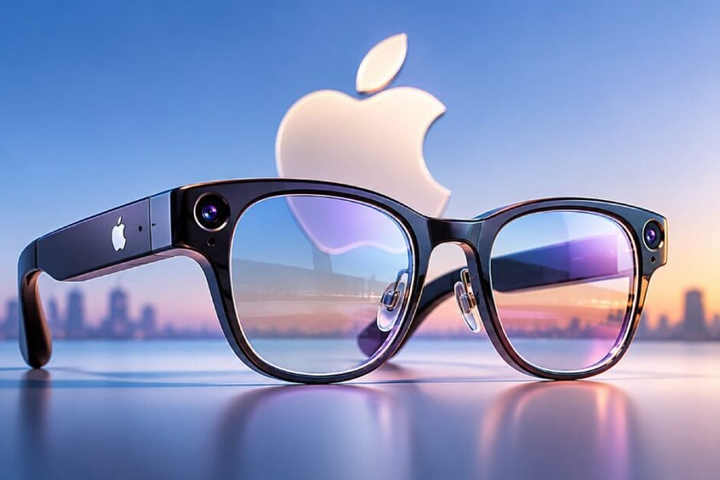
Smart glasses become more useful as they see and hear more of the world. That is also what makes them difficult to introduce without turning everyone nearby into an unwilling data source.
What happened
Apple is reportedly targeting a June 2027 unveiling for its first smart glasses, followed by commercial sales later that year. That is later than the company’s previously discussed early-2027 timeline.
The delay appears to reflect continued work on privacy safeguards and product design. Apple has reportedly explored processing more information directly on the device, avoiding facial-recognition features and preventing customer recordings from being used to train AI models.
The company has also tested designs that restrict photo and video recording or remove the camera entirely. The final hardware configuration has not been confirmed, so these remain design options rather than announced product specifications.
A camera-free version could reduce social concerns but would also limit visual-AI functions such as recognising objects, reading signs or giving contextual assistance based on what the wearer sees.
Why it matters
Phones are usually held visibly when recording. Smart glasses can capture audio and images continuously while looking like ordinary eyewear, making consent much harder to judge.
Apple appears to be treating privacy as part of the product architecture rather than a warning added after launch. On-device processing could reduce how much personal information reaches remote servers, while stricter recording controls may make the product more acceptable in workplaces and public spaces.
The bigger picture
Wearable AI is becoming a contest between capability and social permission. Meta has built early distribution through camera-equipped glasses, while Apple may try to differentiate through tighter control over data and recording.
That strategy carries a trade-off. The safest device may be less useful, while the most capable device may struggle to gain trust. Apple’s delay suggests the winning smart-glasses product will need to solve both the technical interface and the social rules around always-available AI.