
Anthropic Risk Label Faces Court Pushback
A judge said the government still had not shown enough evidence to justify labeling Anthropic a supply-chain risk, highlighting the tension between AI procurement and model-control rules.
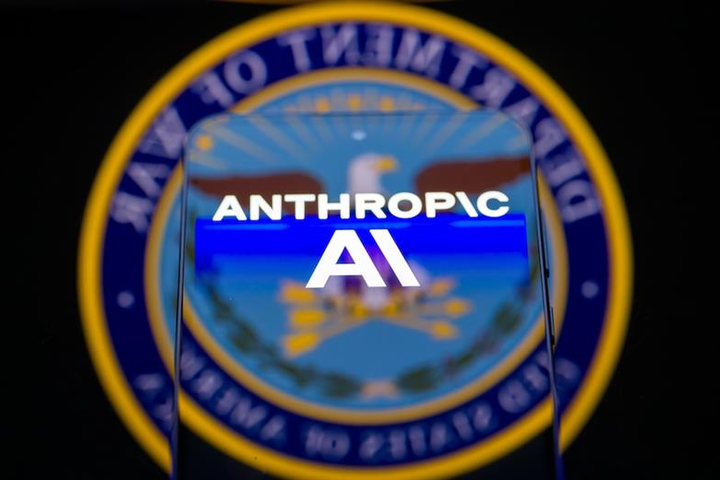
Frontier AI companies increasingly want government customers. The hard part is that government customers also bring procurement rules, political scrutiny and fights over who controls how models are used.
What happened
A judge said the U.S. administration still had not presented enough evidence to justify labeling Anthropic a supply-chain risk and blocking federal use of its technology.
The dispute is part of a broader fight over government access to frontier AI systems. Anthropic has pushed for restrictions around certain uses of its models, while parts of the government appear to be testing how much leverage procurement rules can create over AI vendors.
The court’s pushback does not settle the wider question. It does, however, suggest that labeling an AI provider a supply-chain risk requires evidence, not just disagreement over policy or model-use conditions.
Why it matters
This is an enterprise-sales and AI-policy signal.
For frontier labs, government contracts can be strategically important: large budgets, high-prestige deployments and long-term institutional relationships. But those contracts also create a difficult trade-off. If a lab sets strong safety or use restrictions, it may clash with government buyers. If it relaxes those restrictions too much, it risks damaging trust with researchers, customers and the public.
For startups selling AI into regulated or public-sector markets, this shows that product-market fit is not enough. Procurement, compliance and political risk can shape the addressable market.
The bigger picture
AI is becoming infrastructure, and infrastructure gets regulated, procured and politicised.
The question is no longer only which model is best. It is also who is allowed to use it, under what conditions, and whether vendors can refuse certain deployments. That makes trust, governance and contract design part of the competitive landscape for enterprise AI.