
Anthropic maps how AI could reshape the economy by 2030
Anthropic published economic scenarios exploring how increasingly capable AI could affect productivity, employment and GDP through 2030.
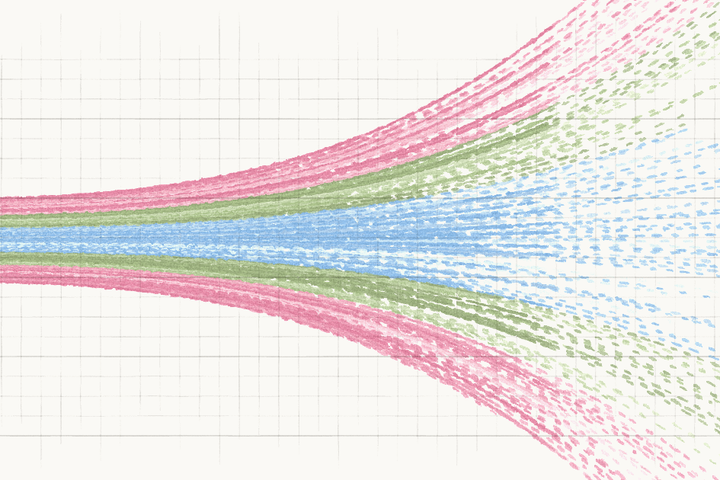
The AI jobs debate is usually dominated by anecdotes and extreme predictions. Anthropic is trying to frame the question through explicit economic scenarios instead.
What happened
Anthropic published modelling that explores several ways increasingly capable AI could affect productivity, employment and GDP through 2030. The scenarios range from relatively modest automation to much more disruptive outcomes involving significant productivity gains alongside displacement of knowledge work. Anthropic presents these as scenarios rather than forecasts.
Why it matters
Companies and policymakers increasingly need more than broad claims that AI will either create or destroy jobs. Scenario-based modelling can help separate assumptions about adoption, task automation and productivity from the headline conclusions they produce.
The bigger picture
As AI moves from experimentation into everyday corporate workflows, labour-market effects will depend not only on model capability but on how quickly firms reorganise work around it. The economic debate is therefore becoming an adoption and organisational-design question as much as a technical one.