
Amber Electric Raises €49M for Battery Automation
Amber Electric has raised a €49 million Series E to expand software that automatically optimises household batteries and electricity use.
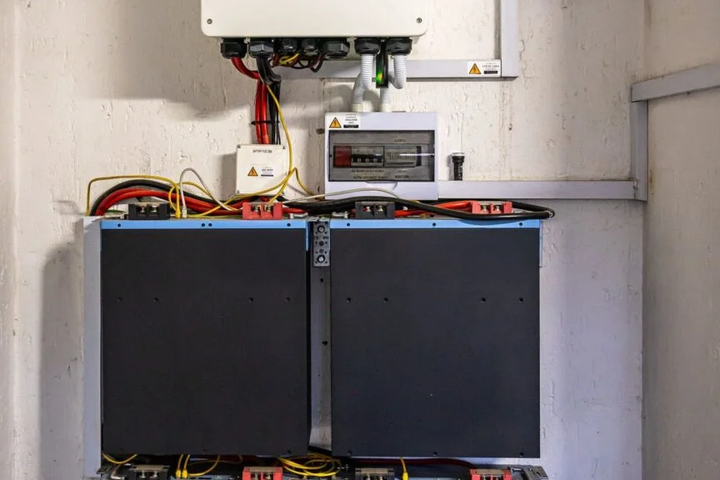
Amber Electric has raised new growth capital around a model that treats household batteries as active grid assets rather than passive storage.
What happened
The Australian energy-flexibility company raised a €49 million Series E, led by Morgan Stanley Investment Management's 1GT climate strategy, with E.ON also participating.
Amber's software automatically adjusts household batteries, solar generation and electricity usage based on wholesale power prices. The company plans to use the new capital to support its expansion into Europe.
Amber says it controls more than half of Australia's automated home-battery market. That is a company-reported market-share figure rather than an independently verified estimate.
Why it matters
Home batteries are much more valuable when they can respond to electricity prices and grid conditions automatically.
Instead of simply storing excess solar power for later use, software can decide when to charge, discharge or reduce household consumption based on what is happening in the energy market.
That can lower bills for consumers while also helping grids absorb more intermittent renewable generation.
The bigger picture
Distributed energy is becoming a software market as much as a hardware market. Batteries, EVs and rooftop solar create millions of small energy assets that can be coordinated into flexible capacity.
The companies that manage that orchestration could become important infrastructure providers as grids become more decentralised. Amber's funding suggests investors see software control of household energy assets as a scalable climate-tech category rather than a niche consumer feature.