
Airbnb Tests AI Search
Airbnb is testing natural-language AI search while using AI internally to speed up product development.
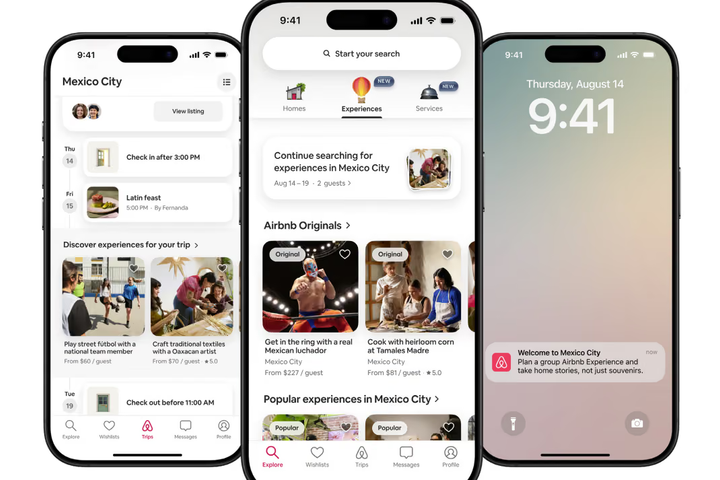
Airbnb is treating AI as both a product feature and an internal productivity engine.
What happened
Airbnb said AI has helped it reduce some feature-development timelines by as much as 60% and increase the number of shipped features and improvements by nearly 80% compared with the same six-month period last year.
The company is also testing AI search, including a toggle that lets users search with more natural-language travel queries. That matters because travel search is messy: people rarely know exactly what they want in database terms. They ask for vibes, constraints, neighbourhoods, trip types and trade-offs.
Rather than forcing a full chatbot experience, Airbnb appears to be testing AI as an additional discovery layer on top of its existing marketplace.
Why it matters
Consumer platforms are still figuring out where AI actually belongs in the interface. A chatbot can be useful, but it can also create friction if users simply want fast, visual, reliable browsing.
Airbnb’s approach is interesting because it combines internal AI productivity with cautious product experimentation. The company is using AI to ship faster behind the scenes while testing whether natural-language search improves the booking experience in front of users.
That is probably closer to how many mature consumer companies will adopt AI: not one giant product reset, but a mix of internal acceleration and selective user-facing features.
The bigger picture
The first consumer-AI wave was dominated by standalone assistants. The next wave may be quieter: AI embedded inside marketplaces, search flows, support systems and internal product teams.
For startups, Airbnb’s example suggests the strongest AI products may not always look like AI products. Sometimes the win is simply making an existing behaviour — finding a trip, booking a stay, comparing options — feel less clunky.