
Airbility Raises $4.7M for Counter-Drone Aircraft
Airbility raised $4.7M to develop high-speed electric aircraft for counter-drone and aerospace defence use cases.
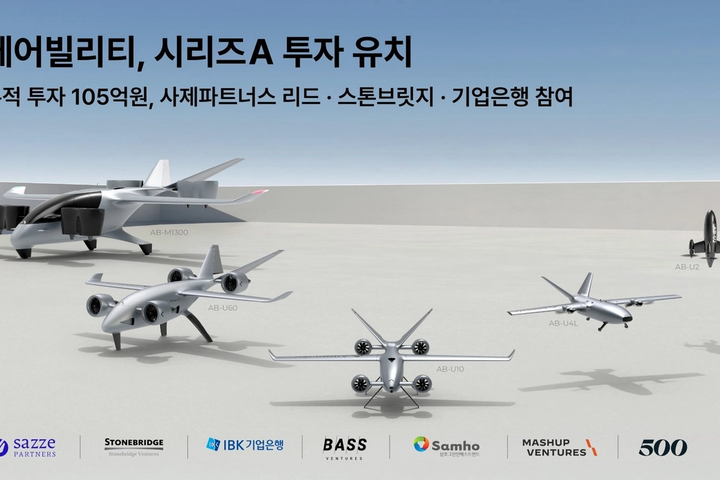
Airbility’s raise is small, but it sits inside a very active defence-tech theme: how to respond to cheap, fast-moving drone threats.
What happened
South Korean aerospace startup Airbility closed a ₩6.5B / $4.7M Series A led by Sazze Partners, with Industrial Bank of Korea joining and existing investor Stonebridge Ventures returning.
The company is building high-speed electric aircraft for counter-drone and aerospace defence use cases.
The important framing is industrial and technological capacity, not tactical detail. Airbility is part of a broader group of dual-use startups trying to build systems that can protect airspace, infrastructure and military assets as drone activity becomes more common.
For a Korean aerospace startup, the investor mix and defence focus make the round more notable than a routine early-stage hardware financing.
Why it matters
This is a clean defence-tech signal.
Counter-drone systems are becoming a priority because small unmanned aircraft can create outsized disruption. Airports, energy infrastructure, logistics sites and defence facilities all need better detection, interception, resilience and operational planning.
Airbility also shows that defence innovation is not only concentrated in the US or Europe. South Korea has a strong industrial base, advanced electronics supply chains and growing interest in dual-use aerospace systems.
The bigger picture
Defence tech is broadening from software and drones into the supporting systems needed to manage contested airspace.
The startup opportunity is not just building drones. It is building the sensing, mobility, autonomy and response infrastructure around them. Airbility is early, but it reflects the same shift: hardware startups are being pulled into security markets that used to be dominated by larger defence contractors.