
Always-on AI transcription is turning meeting consent into a product problem
The rapid spread of AI meeting assistants is exposing unresolved questions about consent, storage and the future use of recorded conversations.
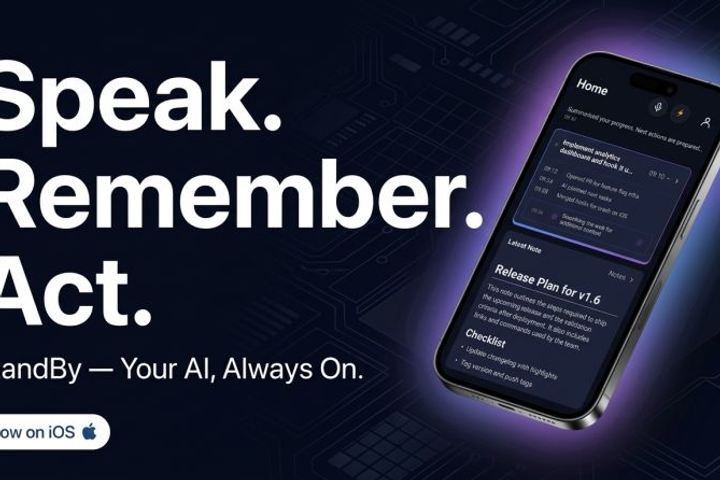
AI meeting assistants have made recording and transcribing conversations nearly effortless, but adoption is moving faster than workplace norms around consent.
What happened
Some investors and executives are now taking explicit steps to state that they do not consent to transcription or recording. The behaviour reflects a growing assumption that meetings may be captured automatically by software, even when every participant has not meaningfully agreed. Consumer transcription applications are extending the same issue beyond formal video calls.
Why it matters
Meetings can contain confidential company information, investment discussions, employee matters or personal details. Turning those conversations into permanent, searchable data changes the risk profile. Participants may not know where transcripts are stored, how long they are retained, whether they are used to train models or who can access them later.
The bigger picture
The emerging opportunity is not simply better transcription accuracy. Enterprise products will need visible consent controls, data-retention settings, administrator policies and reliable ways for participants to opt out. Companies that treat privacy and permission management as core product features may gain an advantage as customers become more cautious about always-on recording.